




Administration of the antiviral medication used in FIP is an important step in the cat’s recovery. Nevertheless, one shouldn’t stop monitoring his condition when he finishes taking the last dose of the medication. The post-therapy period is another crucial stage where it is vital to monitor for continuous clinical improvement or recurrence. These people will be able to assess whether the continuous clinical improvement continues.
Within the context of the post-treatment monitoring period, it will be necessary to closely monitor the cat’s appetite, its activity level, and its body weight. The owner should also watch out for the presence of any fever, breathing difficulties, abdominal distention, or recurring fluid accumulation in the abdomen. If the cat has been showing ocular or neurological symptoms of FIP, one should examine these symptoms as well.
At FIPRecover, we focus on the research, creation, and supply of GS-441524 and Molnupiravir products for FIP. In our experience, staying healthy after treatment depends on more than just the medicine used. It also requires clear records, steady monitoring, and expert vet advice.
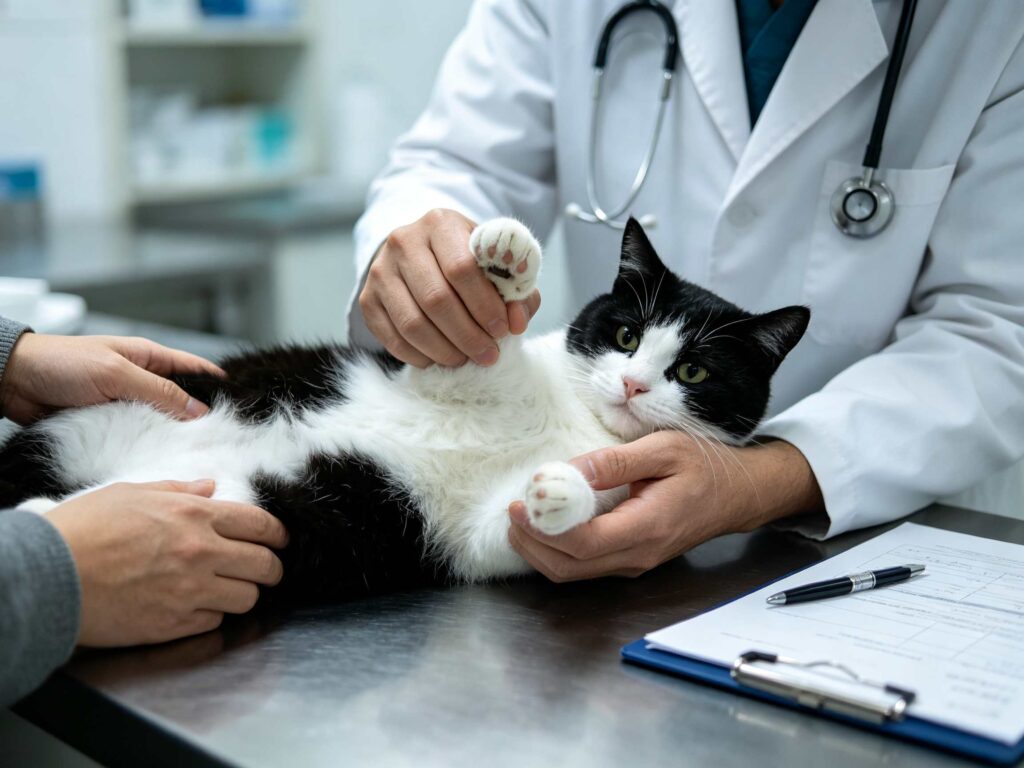
What Should You Monitor After FIP Treatment?
A good plan for aftercare involves comparing your cat to how they felt when treatment ended. You should look for long-term patterns. Try not to worry too much about a single, tiny change.
Appetite and Food Intake
Recording daily food intake can help identify persistent or progressive reductions in appetite. A cat that has recovered clinically should generally maintain a stable appetite and food intake.
Energy and Normal Behavior
Demeanour, activity level and normal behavior are useful indicators of ongoing clinical recovery. Watch if your cat keeps playing, grooming, and exploring like usual. They should rest comfortably and follow their normal daily habits.
Do not assume a relapse just because your cat is quiet for one afternoon. It is more serious if they stay tired, hide away, or stop interacting with you for several days in a row.
Body Weight
Regular body-weight monitoring is a useful method for assessing recovery and identifying clinically relevant changes. Use the same scale if you can and look at the overall trend over time.
Small shifts in weight are normal. But if your cat keeps losing weight for no clear reason, especially if they are also tired or not eating, you should talk to your vet.
Temperature and General Health
If your cat had a high fever when they first got sick, checking their temperature can be helpful. If a fever comes back and stays, it needs to be checked out. Keep in mind that a fever by itself does not prove FIP is back.
Abdomen and Breathing
Cats previously affected by effusive FIP should be monitored for recurrent abdominal or pleural effusion and respiratory compromise. Look for any new swelling in the stomach or signs that it is hard for them to breathe. These could mean fluid is building up again.
If your cat is struggling to breathe, get medical help right away. Do not try to figure out the cause at home.
Ocular and Neurological Changes
If the FIP affected your cat’s eyes, watch for cloudiness, redness, or changes in how their pupils look. Also, notice if they seem to have trouble seeing.
For cats with previous neurological involvement, watch how they walk and balance. Monitor for tremors, seizures, ataxia, changes in gait or other new neurological abnormalities. New or progressive clinical signs are more concerning than stable residual abnormalities that were already present at the end of treatment.
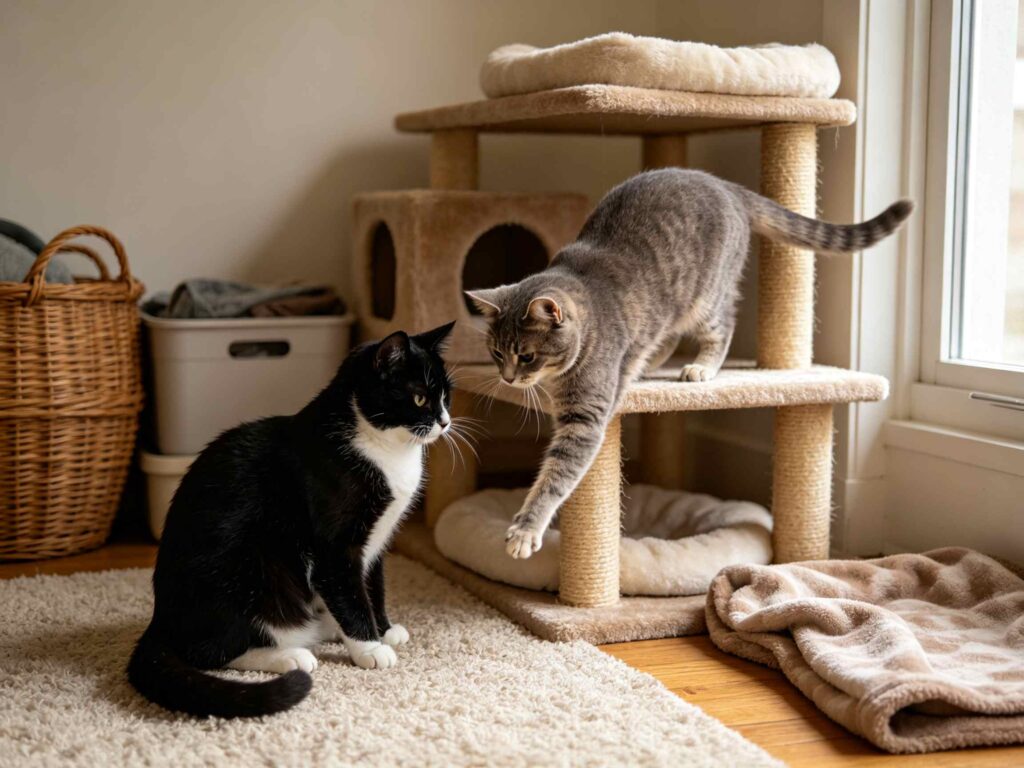
How Long Should You Monitor a Cat After FIP Treatment?
Every cat is different, so there is no single timeline for everyone. The follow-up plan should fit your cat’s specific case and your vet’s advice.
A simple way to look at it is:
| Post-Treatment Stage | Main Monitoring Focus |
| First few weeks | Appetite, demeanour, body weight and residual FIP-related signs |
| Following weeks | Sustained clinical stability and absence of progressive abnormalities |
| Later follow-up | Veterinary examination and laboratory testing when clinically indicated |
| End of observation period | Final clinical assessment and individualized follow-up plan |
Normal Post-Treatment Changes vs Possible FIP Relapse
Not every small issue means the virus is active again.
| Finding | May Occur During Recovery | More Concerning Pattern |
| Appetite | Occasional variation | Persistent or progressive appetite loss |
| Energy | An isolated quiet day | Increasing lethargy over several days |
| Weight | Small fluctuations | Sustained unexplained weight loss |
| Lymph Nodes | Residual enlargement can remain | New or progressive abnormalities |
| Neurological Function | Stable residual deficits | New or worsening neurological signs |
| Eyes | Stable previous changes | New inflammation or vision changes |
| Temperature | Minor variation | Recurrent or persistent fever |
Which Veterinary Checks Matter After FIP Treatment?
Watching your cat at home is great, but it cannot replace a vet’s expert eye.
Your vet might suggest these tests:
- Physical exam: To check the cat’s heart, lungs, belly, and overall condition.
- CBC/Hematology: To look at red and white blood cells for any new problems.
- Biochemistry: To see how the liver and kidneys are working.
- Inflammatory markers: Tests like AGP can show if there is still inflammation in the body.
- Imaging: Ultrasounds can check for fluid or organ changes if the cat had those issues before.
No single lab number tells the whole story. For example, while the A/G ratio is helpful, your vet will look at the whole picture before making a decision. Also, FCoV antibody titers are not recommended as a primary method for assessing response to FIP treatment.
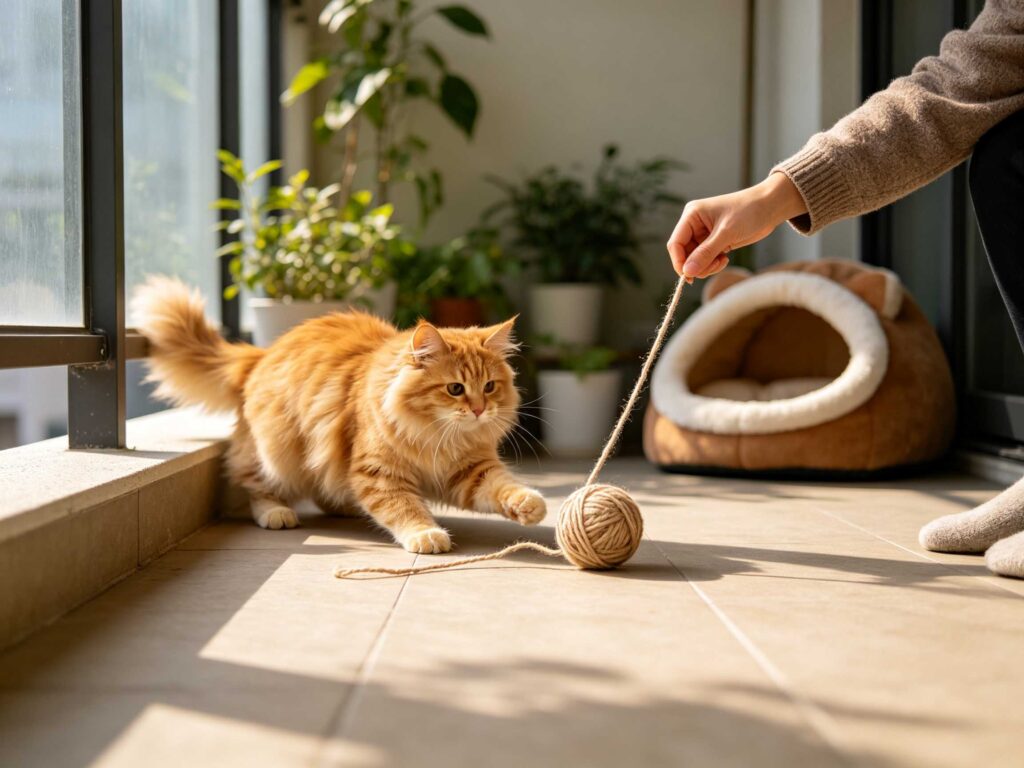
Warning Signs That May Need Veterinary Reassessment
Call your vet if you notice these things getting worse:
- Significant loss of appetite
- Recurrent or persistent fever
- Increasing lethargy or weakness
- Sustained unexplained weight loss
- New abdominal enlargement
- Difficulty breathing
- New or worsening eye abnormalities
- New or worsening neurological signs
These signs do not always mean FIP is back. Other health issues can look the same, so it is vital to get a real diagnosis before starting any new medicine.
What Should You Do If FIP Symptoms Return?
If you see symptoms come back, do not just start giving the old medicine again. You must follow a safe process.
Document the changes → Contact your veterinarian → Perform clinical reassessment → Conduct indicated laboratory/imaging tests → Reassess the differential diagnosis → Establish a treatment plan.
Why Treatment Records and Product Traceability Matter
If your cat needs to see the vet again, having good notes is very helpful. Your vet will want to know exactly what happened during the first round of treatment.
Keep track of the product name, the dose, the dates, and your cat’s weight. Save all lab reports and scan results too.
FIPRecover provides product information for GS-441524 and other antiviral formulations. Product selection, dosing and any decision to restart treatment should be discussed with a veterinarian.
Conclusion
Completing antiviral treatment does not eliminate the need for appropriate post-treatment monitoring. Monitoring body weight, appetite, demeanour and disease-specific clinical signs is the best way to ensure they stay healthy. Regular vet visits give you the full picture of their recovery.
At FIPRecover, we support the community with high-quality GS-441524 and Molnupiravir. We believe in clear records and careful testing. During the observation period, the most important thing is to stay alert and work closely with your veterinarian if anything changes. Contact us today to learn more.
FAQ
Q: What are the most important signs of a possible FIP relapse?
A: Persistent or recurrent fever, progressive loss of appetite, sustained weight loss, marked lethargy, recurrent effusion, respiratory difficulty, or new/progressive ocular or neurological signs. If these things don’t go away, see a vet.
Q: Can my cat still have abnormal findings after successful FIP treatment?
A: Yes. Some cats still have slightly enlarge lymph nodes or old eye marks. These do not always mean the FIP is active again.
Q: Should I restart GS-441524 if FIP symptoms return?
A: No, not right away. First, get a vet to check if it is really a relapse. If relapse is confirmed, the veterinarian can determine whether antiviral retreatment or another management strategy is appropriate.

Post Comment