




Feline Infectious Peritonitis (FIP) is a severe and life-threatening disease in cats that requires structured antiviral treatment and continuous monitoring. In the beginning, when every second is vital, the main goal is to stabilize the cat quickly. However, once your cat starts to get better, the focus shifts to long-term care. At FIPRecover, we are committed to offering more than just life-saving antiviral drugs like our top-tier GS-441524 and Molnupiravir. We also provide the expert help needed to handle this tricky process. Many of our European clients ask if it is safe to move from liquid GS-441524 injections to oral GS-441524 tablets. This guide looks at the perks of flexible dosing, the steps for a safe change, and how FIPRecover assists you through every stage.
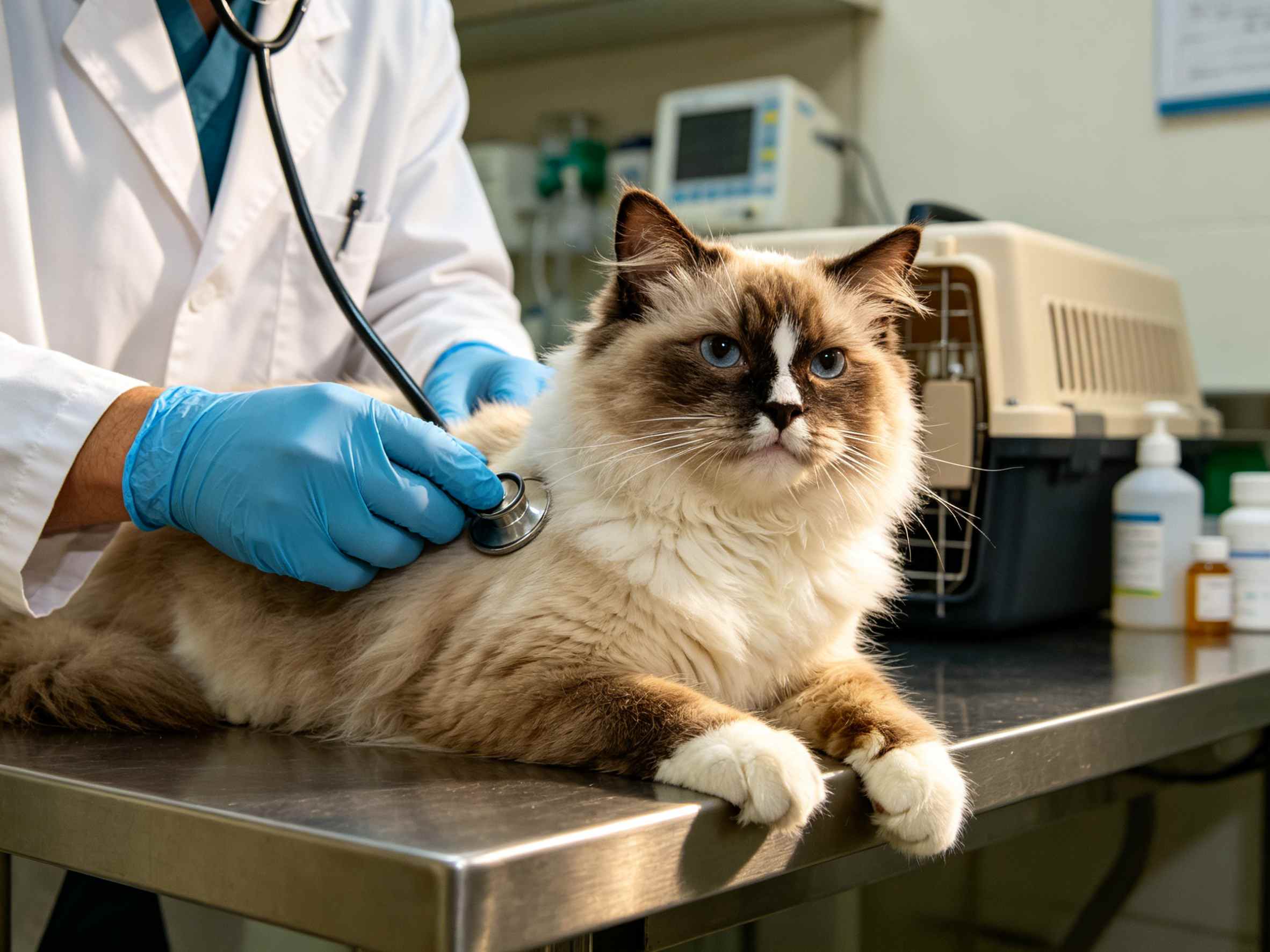
Understanding the Flexibility in FIP Treatment
Liquid vs. Tablet GS-441524 for FIP Treatment
When starting an FIP cat treatment plan, vets usually choose injectable GS-441524. They do this because it provides instant and total bioavailability. This is vital for cats with bad symptoms, high fever, or weak stomachs where pills might not absorb well. However, as the cat gets stronger, the daily pain of needles can become a heavy burden for both the cat and the owner.
Oral GS-441524 formulations are commonly used in the later stages of treatment when the patient is clinically stable and able to tolerate oral medication. Switching from injectable to oral GS-441524 should be considered only after the cat is clinically stable and based on veterinary evaluation, rather than a fixed timeline. Switching to oral administration may improve treatment compliance and reduce handling stress for both the cat and the caregiver.

Benefits of Flexible Dosing
Flexible dosing for FIP treatment is all about matching the care to how your cat is healing. By switching formats, we can make sure the medicine stays easy to give for the full 84 days. Whether you are doing a European FIP cat treatment with GS-441524 tablets or using our vials, the aim is to keep steady drug levels in the blood. Flexibility makes the process fit your daily life while meeting the strict medical rules needed for a total cure.

How to Safely Switch GS-441524
Assessing the Right Time to Switch
Finding out how to switch the GS-441524 dosage from liquid to tablets needs careful checking. Transition decisions should be based on both clinical improvement and laboratory indicators, including hematology results and the albumin-to-globulin ratio trend. If your cat still has bad vomiting or diarrhea, pills might not work well. In those cases, we say stay with shots. Caregivers are advised to review blood test results with a licensed veterinarian to determine suitability for transition.
Step-by-Step Dosage Adjustment
Getting the dose right is the most important part of beating FIP. When you move from liquid to pills, you must redo the weight-based dosing very carefully. Oral and injectable formulations may differ in bioavailability, so dosing adjustments based on mg/kg equivalence are required under veterinary guidance. Insufficient dosage or premature discontinuation are common risk factors for relapse, although absorption variability and disease severity may also contribute.
Ensuring Treatment Continuity and Preventing Relapse
Maintaining Therapeutic Stability
The most vital part of any FIP cat treatment plan is being steady. If the drug levels in the body drop suddenly, the virus might start growing again. When you switch from GS-441524 liquid to tablets, we suggest a “bridge” method. This means the change is watched very closely. Our GS-441524 tablets are built to give steady levels, as long as you follow the daily schedule exactly.
Monitoring Your Cat During Transition
During the first week of the switch, watch your cat very carefully. Look for any return of tiredness or a loss of appetite. FIPRecover reminds owners that a good switch shows up as steady weight gain and healthy blood results. If you see any problems, you must talk to us right away so we can fix the schedule.
Expert Guidance from FIPRecover
Why FIPRecover Support Matters
At FIPRecover, we do much more than sell GS-441524 and Molnupiravir. We work as your personal guides for the medicine. We know that pet owners in Europe face special hurdles in getting expert cat care. Our team offers real-time help on treatment continuity, food, and managing symptoms. We provide structured treatment guidance based on available clinical experiences.
Personalized Treatment Planning
Each cat is a brave fighter, and every case is different. By working with FIPRecover, you get to use our large library of knowledge and case studies. We help you make a plan that cuts down on stress and makes the drug work its best. We want to make sure your FIP cat treatment is both powerful and kind.
Conclusion
Moving between liquid and pill versions of GS-441524 is a smart way to help your cat finish the 84-day course without too much stress. With good advice, the switch is safe and helps your cat reach a full recovery. At FIPRecover, we are proud to help you during this time. We provide the expertise and the trusted products you need to win against FIP.
Ready to improve your cat’s care? Talk to the FIPRecover team today for custom help and steady GS-441524 solutions.
FAQ
Q: Can I switch from liquid to tablets mid-treatment?
A: Yes, you can move to oral tablets to make your cat more comfortable. This works best if your cat is stable and eating well. Please talk to our FIPRecover experts first to make sure the change is handled safely.
Q: How do I calculate the dosage when switching formats?
A: The dose must follow your cat’s current weight in kg and their FIP type. Since pills and shots absorb differently, FIPRecover gives you specific dose changes to keep the medicine at the right level in the blood.
Q: Does changing dosage forms increase the risk of relapse?
A: Relapse is most commonly associated with insufficient duration or dosing, but absorption variability and disease complexity may also contribute. Following the right FIPRecover dose with our help is the best way to stop a relapse.

Post Comment