




Molnupiravir may be considered as an alternative or second-line antiviral option when a cat relapses or does not respond adequately to a GS-441524-based treatment plan. It may also be considered when treatment response is inadequate after the diagnosis, dosing, administration, and clinical status have been reassessed. Treatment decisions depend on the cat’s clinical presentation, body weight, treatment history, response to therapy, and ongoing veterinary monitoring. FIPRecover provides product information on Molnupiravir and GS-441524 formulations for review during veterinary treatment planning.
When Is Molnupiravir Used for FIP?
Inadequate Response or Relapse After GS-441524
GS-441524 is widely used as a first-line antiviral treatment for FIP. It is available through FIPRecover as powder, injections, and tablets. These forms give clinics and skilled caregivers multiple ways to match the treatment phase with specific administration needs. Cases with inadequate clinical response or recurrent signs require systematic reassessment rather than an immediate change in antiviral therapy. Suspected FIP relapse should prompt a systematic clinical reassessment before antiviral therapy is changed. Recurrent clinical signs do not necessarily confirm relapse; inadequate dosing, premature treatment discontinuation, changes in body weight, or other concurrent conditions should also be considered.
Why Rescue Therapy Requires Reassessment
Rescue therapy means more than just adding a new product because the initial plan seemed lacking. The veterinarian should reassess the cat’s body weight, clinical presentation, appetite, temperature, and relevant neurological or ocular signs. They also need to look at the presence, persistence, or recurrence of effusion. Factors such as body weight, appetite, clinical signs, albumin-to-globulin (A:G) ratio, bilirubin, complete blood count, serum biochemistry, and other relevant clinical pathology findings can help assess treatment response.
This careful check matters greatly because complex FIP cases can appear unstable for multiple reasons. A decline in appetite may reflect ongoing systemic illness, treatment-related adverse effects, gastrointestinal dysfunction, or other concurrent clinical problems. The issue could also be disease progression or a simple dosing error. Molnupiravir tablets or powder should only enter the plan after looking at that complete clinical picture.
How Molnupiravir Differs From GS-441524
A Complementary Antiviral Pathway
Molnupiravir serves as a complementary or alternative choice. It may be considered when a cat has an inadequate clinical response, relapses after treatment, or cannot continue the original treatment plan for clinical reasons. This makes its role quite different from a standard first-choice narrative. It fits best as part of an alternative strategy for selected cases with inadequate response or relapse.
GS-441524 is a nucleoside analog that interferes with the viral RNA synthesis process. Molnupiravir is a nucleoside analog prodrug that is metabolized into EIDD-1931 (NHC), thus interfering with viral RNA replication. This is important to understand to avoid the wrong conclusion that one drug replaces the other in all cats.
Reassessing Treatment Before Switching Antivirals
The factors surrounding treatment should be taken into consideration instead of assuming that the lack of response is due to the inefficiency of the drug only. The dosing used could already be inappropriate because of the cat’s current weight. The course of treatment might have been prematurely terminated, or there could have been an undetected neurological disease. These instances require that changing brands cannot solve the problem.
FIPRecover lists both GS-441524 and Molnupiravir formulations, allowing users to review available dosage forms and product specifications. The brand supplies GS-441524 options for primary treatment needs. It also provides Molnupiravir options for specific reassessment situations.
Product Forms That Support Different FIP Scenarios
Molnupiravir Tablets for Oral Administration
Molnupiravir tablets are provided in a 40 mg strength. This oral dosage form may be appropriate when the cat can reliably receive and tolerate oral medication. It is useful when the care team is planning a rescue or complementary strategy. The tablet form also makes home administration much easier when repeated injectable administration is impractical or poorly tolerated.
The benefit of an oral tablet goes beyond mere convenience. During long FIP treatment courses, consistent administration is an important component of treatment adherence during prolonged antiviral therapy. A 40 mg tablet provides a set strength. However, the actual usage still relies on the cat’s body weight, its current health status, and sound professional judgment.
GS-441524 Injections and Tablets as Core Options
FIPRecover provides GS-441524 injectable products in 20 mg/mL and 30 mg/mL concentrations. These come in various vial sizes to meet different needs. Doctors often choose injectable formulations when giving medicine by mouth is not easy or certain. For instance, a cat might struggle to swallow or may not handle oral pills well. To support long-term recovery, FIPRecover also offers GS-441524 tablets.
These various formats offer flexible choices based on the health of the cat and its ability to take medicine. Injections are a strong choice if a cat has a systemic illness, trouble swallowing, or frequent vomiting. Such issues make oral paths less dependable. On the other hand, oral tablets work well when the pet can safely take and keep down the medicine. This is common during the later stages of a treatment plan. When looking at these paths, Molnupiravir for FIP should be weighed against these main options rather than being seen as a completely separate solution.
Monitoring Complex FIP Cases
Clinical Signs and Laboratory Monitoring
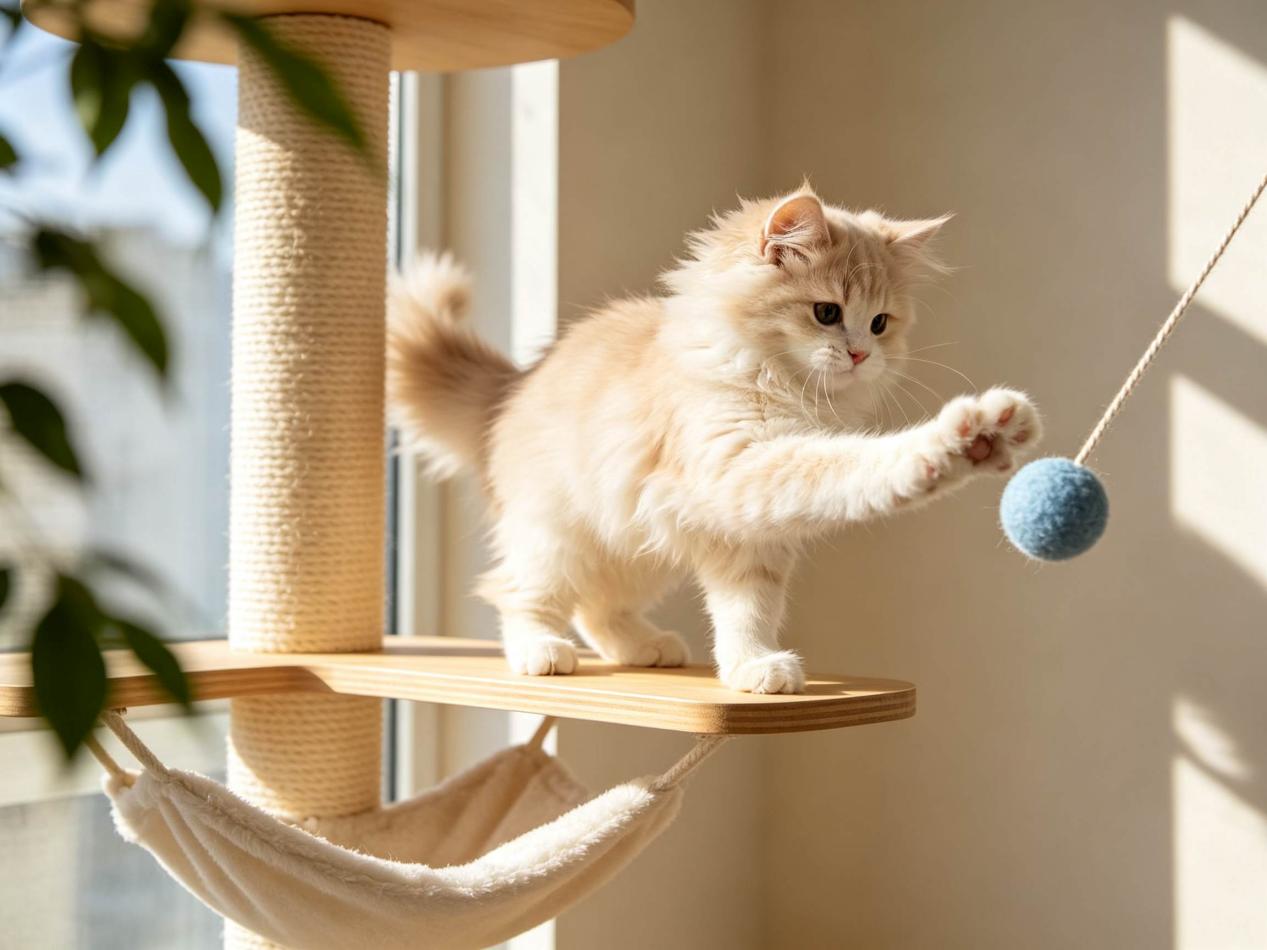
Handling a tough case of FIP involves much more than just watching for a few days of minor improvement. The entire process often means keeping a close eye on clinical signs, body weight, and appetite. Doctors also look for neurological or ocular findings alongside CBC and serum biochemistry results. By tracking these and other vital laboratory parameters, a veterinary team can better judge how well the cat responds to therapy. This data helps them decide if they need to change the plan or perform another checkup.
Values like the A/G ratio and bilirubin levels offer helpful hints when you look at the whole picture. As a cat goes through recovery, the A/G ratio typically gets better while bilirubin levels start to fall. These specific changes act as clear evidence for individual cases. However, they are not a certain result for every pet, so owners should view them as part of a broader health journey.
When Veterinarians May Adjust the Plan
A veterinary checkup is often necessary if a fever comes back or if the animal stops eating well. Doctors also watch for fluid buildup that persists or returns, as well as any new eye or nerve issues. These experts pay close attention when effusions grow or if blood test results do not show clear improvement. At this point, the main concern is more than just picking the next antiviral drug. Instead, the medical team must figure out why the patient is not getting better. They need to see if the issue is linked to the treatment itself, a worsening of the illness, a relapse, or perhaps a different health problem happening at the same time. Writing down a clear reason for changing the plan helps everyone make better choices. This step ensures the animal receives steady and reliable care throughout the process.
For veterinary practices and professional caregivers, good documentation ensures better care continuity. Tracking body weight, dosage form, daily administration notes, and follow-up lab results makes it much easier to compare the initial GS-441524 response with any future Molnupiravir plans. FIPRecover provides both GS-441524 and Molnupiravir product categories, allowing users to review available formulations and product specifications.
Conclusion
Molnupiravir is an alternative antiviral option for FIP that has been studied as first-line, maintenance, and rescue therapy. In particular, it may be considered in selected cases with inadequate response or relapse after GS-441524, following appropriate veterinary reassessment. Its use should not replace appropriate reassessment of the original diagnosis, dosage, administration, treatment response, and clinical status. Relapse, non-response, and tolerance problems all require a structured review. This review should consider clinical signs, body weight, treatment history, dosage and administration, CBC, serum biochemistry, and other relevant findings.
Explore FIPRecover product options to compare antiviral formats for complex FIP treatment discussions.
FAQ
Q: When should Molnupiravir for FIP be considered?
A: Molnupiravir may be considered as a second-line or alternative antiviral option in selected FIP cases, including cats with inadequate response or relapse after GS-441524 treatment. It requires a full veterinary reassessment. This check includes symptoms, body weight, bloodwork, and treatment history. It should never act as an automatic replacement for the initial antiviral choice.
Q: What Molnupiravir product form does FIPRecover offer?
A: FIPRecover supplies Molnupiravir powder and 40 mg Molnupiravir tablets. Tablets aid oral administration when suitable. The powder is better for formulation, research, or production uses. Since powder specifications can vary, exact quality details must be checked using the specific product documentation.
Q: What should be reviewed before changing FIP treatment?
A: Before altering FIP treatment, the care team must check body weight, clinical presentation, dosage history, and administration consistency. They should also note appetite, fever, fluid signs, neurological signs, and lab trends. Routine blood tests, serum biochemistry, the A:G ratio, bilirubin, clinical signs, and treatment history can help the veterinary team determine whether further dose adjustment, continued monitoring, or a change in treatment strategy should be considered.

Post Comment