




Feline coronavirus (FCoV) is a common viral infection in multi-cat environments. While most infected cats remain healthy or develop mild symptoms, a small percentage may develop feline infectious peritonitis (FIP) following viral mutation. FIPRecover is a biotechnology company focused on researching and developing antiviral solutions for feline infectious diseases, including FIP-related treatment options. Managing a multi-cat facility requires comprehensive disease prevention strategies beyond routine cleaning. This is when creating a complex protective system comes into play. Being a professional manufacturer of GS-441524 and Molnupiravir, FIPRecover wants to help cat catteries defend themselves from this threat. In this manual, you will learn how to manage an FCoV outbreak and how our professional products will help reduce the risk of severe FIP development.
Understanding Feline Coronavirus in Cattery Populations
How FCoV Spreads Among Cattery Cats
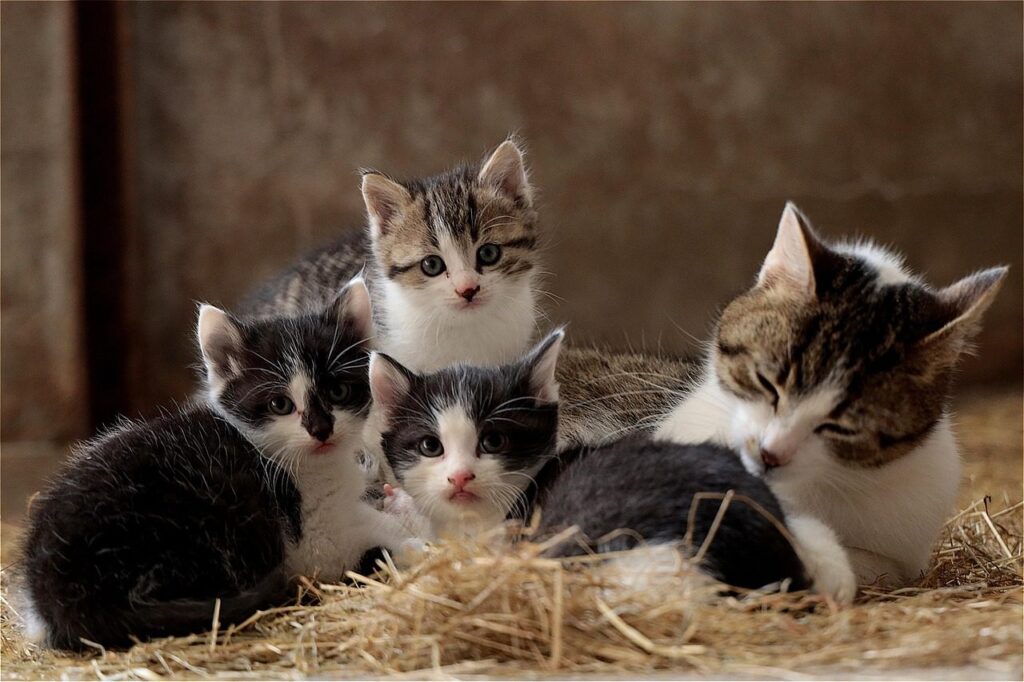
FCoV infection is transmitted primarily by the fecal-oral mode of transmission. In a cattery environment, the cats will use common litter trays and grooming places. For that reason, the disease will spread very fast among the animals.
The Transformation from FCoV to FIP
FIP may develop when FCoV undergoes genetic changes within an individual cat, allowing viral replication in immune cells. FIP develops when feline coronavirus undergoes mutations that allow the virus to replicate more effectively within macrophages, leading to systemic inflammation. This leads to severe inflammation throughout the body. FIP is generally considered to result from internal mutation of FCoV within an individual cat rather than direct transmission of the FIP-causing virus between cats. However, the conditions that help FCoV spread—such as stress, high density, and poor hygiene—are the same factors that increase the risk of mutation into FIP.
Immediate Steps for FCoV Management in Cattery
Implementing Strict Quarantine and Isolation Protocols
If a cat shows clinical signs associated with FIP or significant illness, veterinary evaluation and appropriate isolation measures should be considered. The cat needs to be kept in a different room, with different ventilation and equipment facilities.
Enhanced Environmental Cleaning and Disinfection Strategies
FCoV can survive for a period of time in contaminated environments, especially when organic material such as feces is present. It is vital to clean litter boxes regularly and use effective disinfectants. In crowded catteries, the ratio should be one litter box per cat, plus one extra. This setup helps to minimize contact with waste.
Strategic Health Monitoring to Reduce FIP Risk
Recognizing Early Clinical Symptoms of FIP
Early recognition of clinical signs is an important approach to improving FIP management outcomes. The owners of catteries need to remain alert in order to identify cats showing signs that may require further veterinary investigation. Some symptoms of FIP are persistent fever that cannot be treated by usual antibiotics. There will be weight loss, lethargy, and poor appetite. In wet FIP, one should look out for fluid accumulation that results in difficulty breathing or swelling of the abdomen. In dry FIP, there are attacks on the internal organs such as the kidneys and liver, and there are neurological symptoms as well.
Implementing Regular Health Screenings and Viral Testing
Just looking at the cats is not enough in a cattery. You should perform blood tests to get an early diagnosis. At the FIPRecover clinic, we check the Albumin to Globulin (A/G) ratio. A low albumin-to-globulin (A/G) ratio may support the diagnosis of FIP when interpreted together with clinical signs, laboratory findings, and other diagnostic tests. Monitoring levels of Serum Amyloid A (SAA) and white blood cells also helps. These parameters may provide additional information about inflammatory status when evaluating suspected FIP cases.
Long-Term Strategies for FIP Prevention in Cattery
Managing Stress and Improving Feline Immune Health
Stress may influence immune function and disease progression, potentially increasing the risk of FIP development in susceptible cats. In a cattery, common stressors include too many cats in one space, moving cats to new homes, and surgeries like weaning or neutering. To reduce FIP risk in cats, managers should focus on providing environmental enrichment and balanced nutrition. We also suggest using supplements to help the immune system. This helps cats naturally stop the virus from multiplying.
Establishing Professional Veterinary FIP Treatment Support
Every cattery needs a plan for when a cat is diagnosed. This plan must include quick access to FIP antiviral treatment options. At FIPRecover, our team of expert vets and researchers provides free advice and medication tips. We help cattery owners act fast by providing pure and stable medicines. These antiviral products are developed to inhibit viral replication and support FIP treatment protocols.
FIPRecover Solutions for Effective FIP Treatment
Standard Care with GS-441524 Injections and Tablets
GS-441524 is one of the most widely studied antiviral compounds for FIP treatment. It works as a nucleoside analog that inhibits viral RNA-dependent replication by acting as a nucleoside analogue. We offer this important ingredient in several powerful forms:
- GS-441524 Injections: Itprovides systemic antiviral delivery through injectable administration. We provide different strengths, including GS-441524 Injections【20mg/mL 10mL】 and the stronger GS-441524 Injections【30mg/mL 10mL】
- GS-441524 Tablets: Once a cat is feeling better, our tablets are a great, easy option for the rest of the 84-day treatment. Our selection includes 20mg GS-441524 Tablets for small kittens, 40mg GS-441524 Tablets for average cats, 50mg GS-441524 Tablets for cats up to 5kg, and 60mg GS-441524 Tablets for larger cats.
Alternative Antiviral Treatment Options with Molnupiravir Tablets
If a cat does not get better with GS-441524 or if the sickness comes back, Molnupiravir (EIDD-2801) is a strong second option. It works by causing the virus to make mistakes when it tries to copy itself. This mechanism introduces replication errors that may reduce viral replication efficiency. Our 40mg Molnupiravir Tablets (EIDD-2801) are made for easy use by mouth. Molnupiravir has been explored as an alternative antiviral option, particularly in cases where other treatment approaches may not provide the expected response.
Conclusion
Despite being a frequent occurrence among multiple-cat households, appropriate measures can be taken to lower the chances of severe cases developing. With proper hygiene, good monitoring and use of antiviral medication, we can lessen the chances of FIP developing. At FIPRecover, our goal is to stop the pain of kittens with FIP and improve treatment outcomes and quality of life. We are proud of our strict quality checks and our work to give cat owners quality-controlled antiviral products developed for veterinary applications.
Contact FIPRecover today to get professional FIP treatment and support for your cattery.
FAQ
Q: Can you get rid of feline coronavirus in a cattery?
A: Removing FCoV completely in a busy cattery is very hard because cats keep passing it back and forth. However, you can control it. Try to have fewer cats in one area, use plenty of litter boxes, and keep everything very clean. This keeps the virus levels low so it is less likely to mutate.
Q: What is the difference between GS-441524 and Molnupiravir for cats?
A: GS-441524 is usually the first choice because there is so much proof that it works. Molnupiravir for cats is typically used if the first drug doesn’t work or if the cat gets sick again later.
Q: Are FIPRecover products safe for kittens?
A: Yes, our products are developed specifically for feline antiviral applications and should be used according to veterinary guidance. For small kittens, we have 20mg GS-441524 Tablets to make sure they get exactly what they need without extra stress.

Post Comment