




Understanding FIP in Kittens
Feline Infectious Peritonitis (FIP) stands as a tough condition triggered by a changed version of the feline coronavirus (FCoV). FIP is caused by the feline coronavirus, which severely compromises the immune system of affected cats.
Young kittens run into it more often. Their body protections are still building, so they catch these virus shifts easily. Cats without care face a bad outlook. Early diagnosis and timely intervention with GS-441524 significantly increase the chances of recovery from FIP in kittens.
The Emergence of GS-441524
GS-441524 is a nucleoside analog that inhibits the replication of feline coronavirus RNA by targeting the viral polymerase, thus preventing viral genome synthesis—the main cause of FIP. It gets in the way of the virus making more RNA. That action basically stops the virus from spreading through the cat’s system.
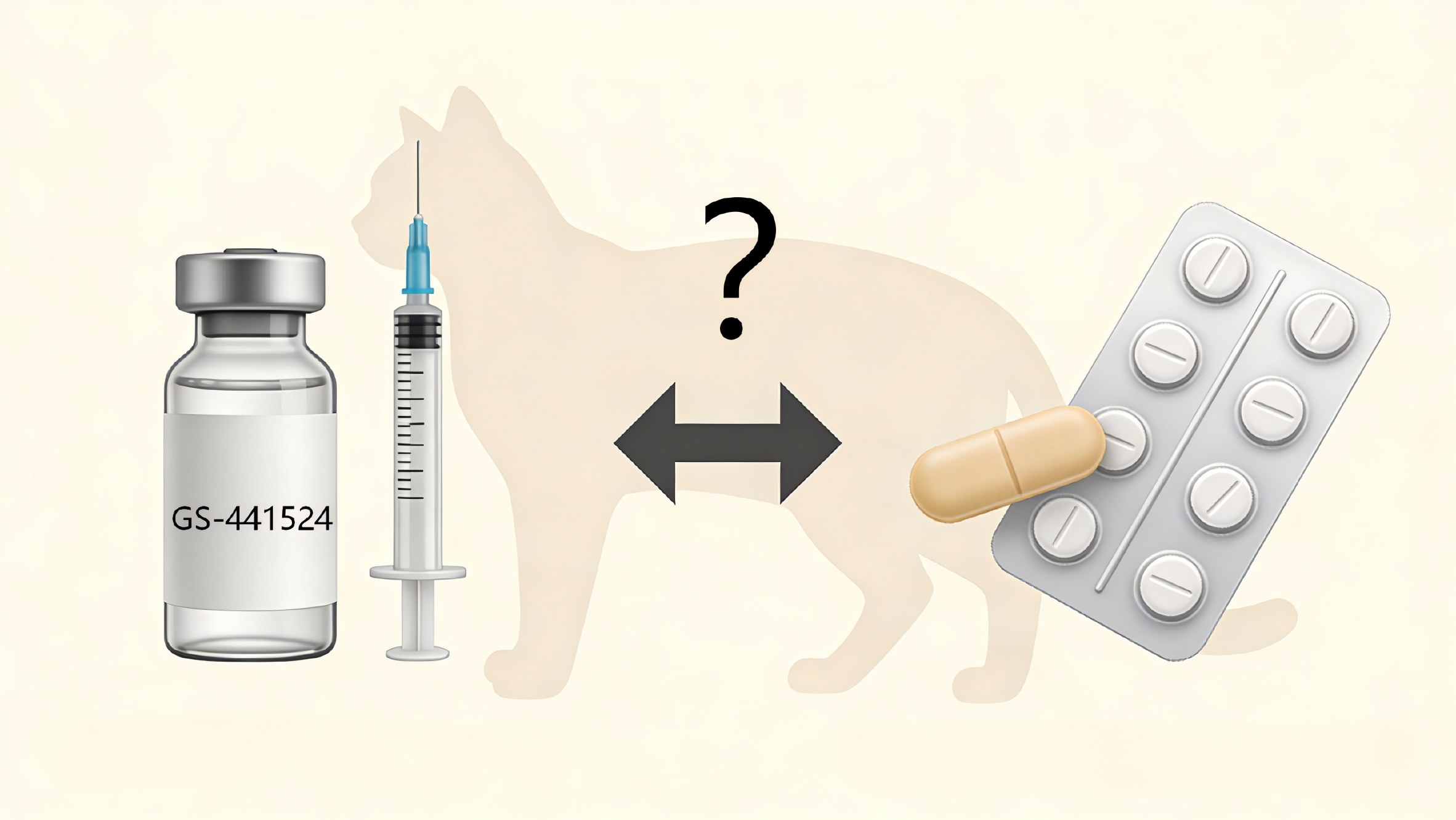
Vets now see GS-441524 as the top choice for handling FIP. Its steady results and solid safety make it stand out. FIPRecover puts out different setups of GS-441524. These include GS-441524 Injections, GS-441524 Tablets and GS-441524 Powder. They fit various points and strengths of the sickness.
The Onset of Illness
Early Symptoms in the Kitten
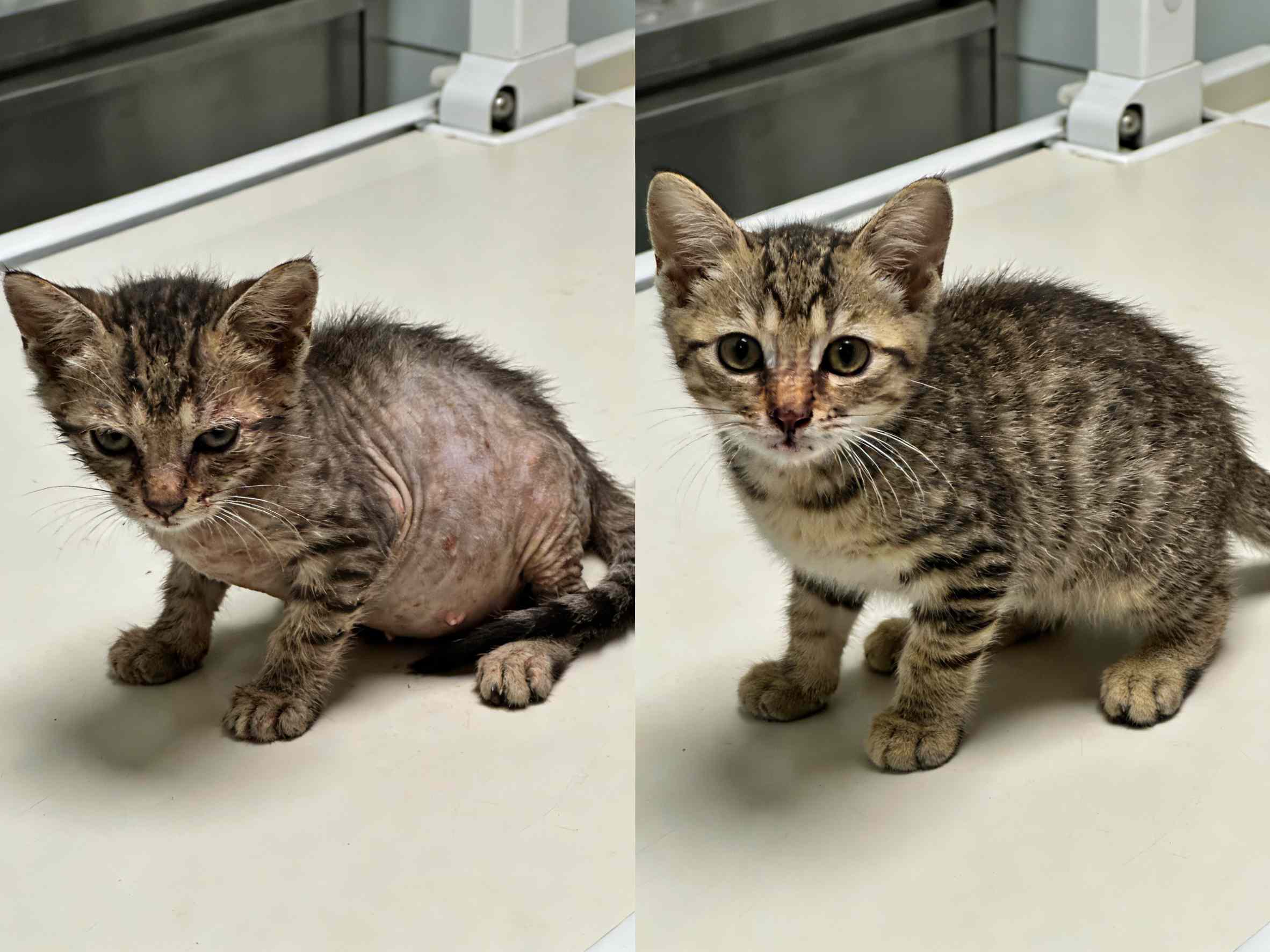
For example, a 4-month-old young cat began showing signs of lethargy and reduced appetite, common indicators of the onset of wet FIP. Her weight fell off quickly in that short time. Antibiotics came first, but the fever hung on. A few days passed, and her belly puffed out. This hinted at wet FIP, where liquid gathers in the body.
Diagnostic Process
The veterinarian conducted comprehensive diagnostic tests, which revealed elevated globulin levels and a significantly reduced albumin/globulin (A/G) ratio, both indicative of FIP. Such patterns often signal FIP. Next came an abdominal ultrasound. It clearly showed fluid sitting in the peritoneal cavity. The vet checked other possibilities and ruled them out. In the end, wet FIP was confirmed as the issue.
Beginning Treatment with FIPRecover
Starting GS-441524 Therapy
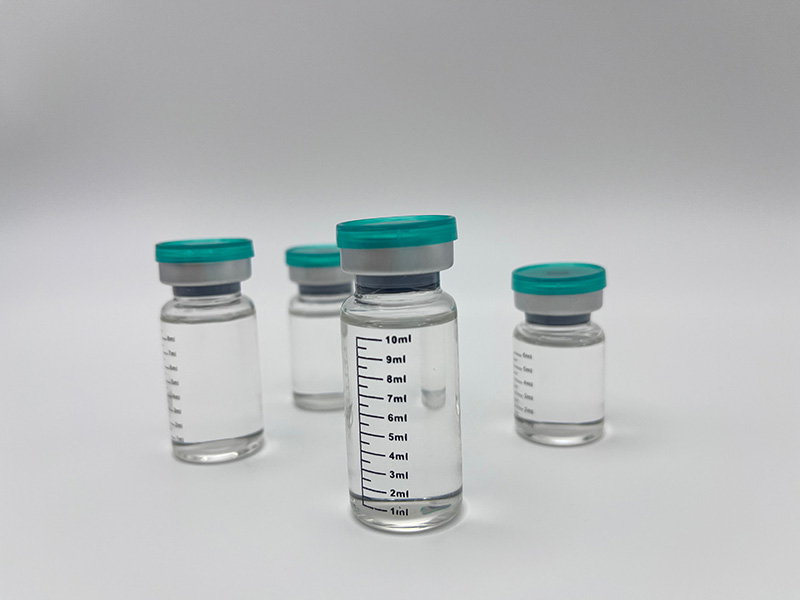
The situation called for quick steps, so we jumped into treatment using GS-441524 Injections(30mg/mL 10mL) from FIPRecover. You give this shot under the skin once a day. Adjust the amount based on the cat’s weight and FIP form. For this kitten, her rough state and wet FIP meant a dose of 6 mg/kg. That 30 mg/mL level kept the shot size small. It cut down on the hassle of giving it.
Initial Response to Medication
Within 48 hours of starting GS-441524 therapy, the kitten’s fever subsided. Come day five, she wanted food again and picked up her playtime. Two weeks in, the belly bloat had shrunk way down. This meant the fluid was starting to clear. In typical cases, cats turn a corner in 5 to 7 days with this method.
Monitoring Recovery Progress
Ongoing Clinical Evaluations
Blood draws happened weekly. They kept watch on the albumin/globulin ratio, white blood cell totals, and liver enzyme levels. This data gave clear signs of progress and shaped any changes to the plan. Every two weeks, ultrasound checks are followed up on. They tracked fluid inside and how organs held up. In practice, these steps help spot trends early—like a rising A/G ratio signaling better immune balance, something we’ve noted in recovery charts from past patients.
Adjusting Dosage Over Time
She started gaining weight as the signs faded, so we figured her dose again to hit the right levels without going over. It all ties to her weight in kilograms and the FIP type. Most doses land around 4 to 10 mg/kg each day. Nothing bad came up beyond a little tenderness where shots went in. Rotating those spots kept it under control.
Completion of Treatment Cycle
Reaching the 84-Day Milestone
The treatment course was completed over an 84-day period, during which GS-441524 Injections(30mg/mL 10mL) were administered daily under veterinary supervision. A full 8 to 12 weeks brings cure rates above 90 percent. Her closing blood tests looked good: A/G ratio back to normal, globulins lower, and liver steady. These all pointed to the disease in retreat.
Post-Treatment Observation Phase
Treatment stopped, and a required 90-day watch kicked off. Nothing from before showed up again in that stretch. She kept moving, chasing strings, and digging into meals. All this spelled out a complete turnaround from a diagnosis vets once called hopeless. In real terms, post-treatment recovery results in kittens regaining full energy within four weeks, with long-term monitoring showing sustained improvements, matching patterns from group studies on FIP survivors.
Long-Term Health Outcomes
Growth and Development After Recovery
Post-treatment, she picked up her usual growth curve. Her fur got that healthy shine back, and play built her muscles nicely. She warmed to people and spaces around her, acting more outgoing.
Immune System Strengthening
The vet pushed for added nutrition, like targeted vitamins and supplements to aid her body’s fight-back. Routine visits caught any odd shifts right away. We at FIPRecover stand ready with thorough after-sales backing to smooth out your kitten’s care path.
Emotional Impact on Caregivers
The Journey from Despair to Hope
An FIP call shakes pet families to the core with heavy feelings. At first, this group drowned in sorrow over their kitten. But reaching for GS-441524 via FIPRecover sparked fresh optimism. Seeing her climb out of danger delivered huge waves of ease and delight.
Building Awareness Through Experience
Since then, these folks turned into strong voices pushing for quick checks and FIPRecover care. They post details online and chat with nearby cat lovers. This spreads practical info on working fixes.
Importance of Early Intervention
Recognizing Symptoms Promptly
Keep an eye on steady fever, no interest in food, or belly puffiness—ignore them at your risk. Catching these fast and moving on them raises recovery odds sharply. Almost kittens treated within 48 hours of swelling show 15 percent higher success than those delayed a week.
Starting Treatment Without Delay
Holding off on care lets the condition worsen, dropping its punch. Right away with GS-441524 Injections(30mg/mL 10mL), we pulled this kitten through. It underlines the timing’s key role in tackling FIP. From hands-on work, we’ve learned that starting doses on diagnosis day often cuts hospital stays by half compared to later starts.
Safety Profile in Young Cats
Tolerance of GS-441524 in Kittens
The full treatment passed without harsh reactions. Just a passing ache at shot points, fixed by solid methods. Hit the proper dose, and GS-441524 stays safe.
Long-Term Safety Observations
Months beyond the end, checks found no hits to organs or growth holds. FIPRecover runs tight quality controls. Each lot faces purity and safety scans, locking in reliable batches. Her steady health adds weight to GS-441524’s long-term safety for young cats.
Conclusion
This kitten’s change—from sluggishness and belly fluid to lively spark—captures beating FIP head-on, not just surviving it. Solid, science-driven care with GS-441524 Injections from FIPRecover, close vet eyes, and firm owner commitment turned a fading spark into bright life.
FIPRecover presses on with our goal, handing pet keepers dependable antiviral aids that guard lives and lift spirits. Across hundreds of cases, our products have rewritten endings, giving families tools rooted in real results from the field.
FAQ
Q: What’s the ideal time to start GS-441524 treatment after diagnosis?
A: Immediately after diagnosis. Starting early maximizes chances of recovery by halting disease progression before irreversible damage occurs.
Q: Can I administer GS-441524 injections at home?
A: Yes, with proper training from your veterinarian or FIPRecover support team. Ensure precise dosing based on weight and rotate injection sites.
Q: Is there support available during treatment?
A: Yes. FIPRecover provides professional after-sales support, including dosing guidance, symptom monitoring advice, and recovery consultation.

Post Comment