




At FIPRecover, our team has extensive experience in biotechnology research and antiviral development. The development of antiviral therapies such as GS-441524 has transformed FIP from a once-fatal disease into one that can often be successfully treated. In fact, based on our clinical experience and customer feedback, treatment success exceeds 90% when appropriate protocols are followed. This comprehensive guide explains how GS-441524 is used for FIP treatment in cats, including its mechanism of action, treatment protocol, dosage principles, monitoring, and expected clinical outcomes. We want to make sure every cat gets a real chance at a healthy life.
Science Behind GS-441524 and FIP
What is GS-441524
GS-441524 is a nucleoside analog. It is also an intermediate of Remdesivir. GS-441524 was developed as a nucleoside analogue that inhibits replication of feline coronavirus (FCoV). FIP develops following mutation of feline coronavirus (FCoV) within susceptible cats. At FIPRecover, we produce our 99.5% Purity GS-441524 Powder using advanced manufacturing technologies and strict quality-control procedures. This ensures the chemical structure stays stable and the impurities stay low. High purity and batch consistency are essential for ensuring product quality and treatment reliability.
GS-441524 has become one of the most widely used antiviral treatments for cats diagnosed with feline infectious peritonitis (FIP).
How Does GS-441524 Work
GS-441524 acts as a nucleoside analogue that is incorporated into the viral RNA during replication and inhibits viral RNA synthesis by prematurely terminating RNA chain elongation. Because of this targeted action, viral replication is suppressed, allowing the immune system to gradually recover. It then begins to promote recovery of affected tissues.
Clinical Indications for GS-441524 Use
Suitable Cases for Targeted Treatment
GS-441524 has demonstrated efficacy in treating wet, dry, ocular, and neurological forms of FIP when administered using appropriate dosing protocols. It is widely considered the first-line antiviral therapy for FIP. Our GS441524 Injection 20mg/mL and GS441524 Injection 30mg/mL achieve rapid antiviral activity. They are great for rapid improvement in clinical signs during acute clinical presentations.
Identifying Wet vs Dry FIP
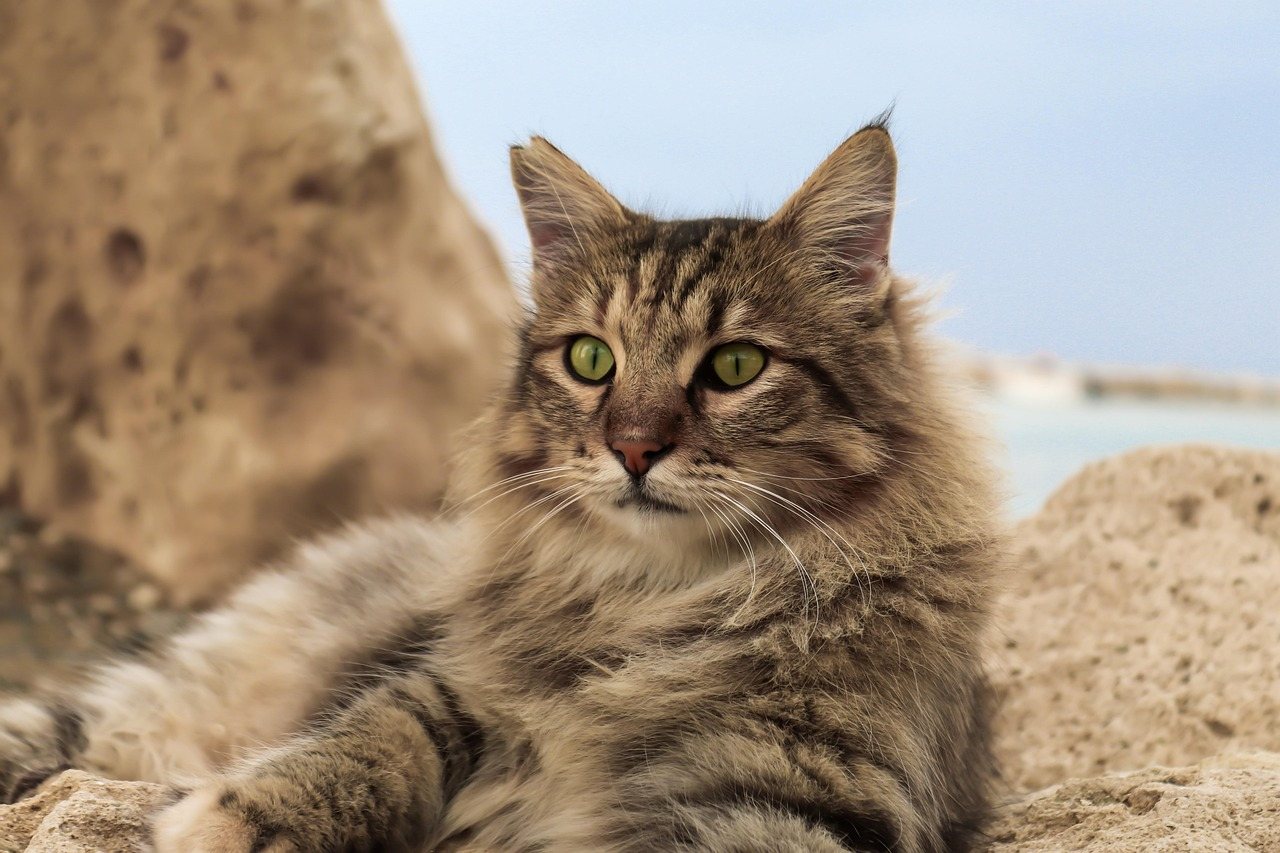
Wet FIP happens when fluid builds up in the abdomen or chest. This often causes abdominal distension and respiratory distress. Dry FIP does not show fluid, but it creates small lumps called granulomas on organs. This makes it more difficult to diagnose. Both versions respond well to our GS-441524 Injections【30mg/mL 10mL】. This medicine helps lower fevers and reduces systemic inflammation.
Managing Neurological and Ocular Cases
Some types of FIP are more complex. This happens when the virus affects the central nervous system or the eyes. These cases need specific doses to achieve therapeutic concentrations within the central nervous system. For instance, a cat named Nomi had neurogenic wet FIP. She achieved sustained clinical remission after completing an 84-day treatment course.
The 84-Day FIP Treatment Protocol
Understanding the Recovery Timeline
The usual treatment for FIP lasts 84 days, which is 12 weeks. In the first 7 days, owners usually notice the resolution of pyrexia and the cat eating more. By day 28, resolution of jaundice should be gone. Also, the albumin/globulin (A/G) ratio should gradually return toward the normal reference range.
Choosing Injections vs Oral Tablets
FIPRecover offers both injectable formulation and oral tablets to fit different situations. The GS441524 Injection 30mg/mL provides rapid systemic absorption. This makes it perfect for very sick cats or those who will not eat. On the other hand, our GS-441524 Oral Tablets come in 20mg, 40mg, 50mg, and 60mg. They do not cause pain and are easy to give at home for the long term.
Transitioning from Injections to Oral
Many veterinarians recommend starting with an injectable formulation for the first 2 to 4 weeks. This helps stabilize the patient’s clinical condition. After that, you can switch to GS441524 FIP Oral Tablets 40 mg, 50 mg, or 60 mg for the rest of the 84 days. This combined method can improve treatment outcomes and make the process less stressful for the cat.
Safe GS-441524 Dosage Guidelines
Weight-Based Calculation Principles
You must calculate the dose exactly based on the cat’s weight and the type of FIP they have. For our GS441524 Injection 20mg/mL, the rules are:
Wet FIP: 0.4ml per kg of body weight
Dry FIP: 0.6ml per kg of body weight
Neurological/Ocular FIP: 0.7ml per kg of body weight
Adjusting Dosage for Severity
If the clinical relapse occurs or the neurological signs are severe, you might need dose escalation. The dose can go up to 0.9ml/kg for the 20mg/mL type. We suggest using GS-441524 Injections【30mg/mL 10mL】 for these high doses. This keeps the liquid amount small and easier for the cat to handle.
Risks of Underdosing and Relapse
Giving too little medicine or stopping too soon is the main reason cats get sick again. If a relapse happens, you must start treatment again right away. This often means a longer time and a higher dose. FIPRecover also provides 40mg Molnupiravir Tablets.
Monitoring Recovery and Clinical Success
Essential Lab Indicators to Track
Vets need to check blood work every 14 to 28 days. The most vital number to watch is the A/G ratio. It often starts very low (below 0.5) and should climb toward 0.8 or higher as the cat gets better.
Signs of Clinical Remission
Good signs include a normal rectal temperature (around 38.8°C) and steady weight gain. You should also see the fluid in the abdomen disappear. Real stories, like Milo’s, show that cats can become active and playful again in just a few weeks.
When to Safely Stop Treatment
Only stop the medicine if the cat has no symptoms and the blood tests look good. The cat should have a great appetite and lots of energy. If the A/G ratio is 0.8 and other blood cells are normal, we suggest giving the medicine for two more weeks just to be safe.
Selecting High-Quality GS-441524 Products
The Importance of HPLC Testing
FIPRecover is different from basic market products. We make sure every batch goes through HPLC testing. This checks the purity and the strength of the drug. It ensures every bottle is the same and lowers the chance of severe side effects.
Risks of Using Low-Purity Meds
Cheap or low-quality drugs often have the wrong strength or too many impurities. This can cause the treatment to fail. It can also cause pain where the needle goes in. We follow a “Life and Health First” rule. We only use high-grade materials for our FIP Oral Tablets 50mg and other items.
FIPRecover Purity and Stability Standards
Our 99.5% Purity GS-441524 Powder follows the best standards for research. We use automatic tools and clean workshops to keep everything pure. This creates a strong shield for your cat’s health.
Supporting Veterinary Clinics and Hospitals
Bulk Supply for Professional Partners
We help vet hospitals and rescue groups by offering bulk amounts of GS-441524 Injections and pills. Our shipping team works fast. We can deliver to the USA, UK, and Europe in about 10-12 days and help with customs.
Collaborative Research and Training
FIPRecover works with vet schools and experts to share what we know. We offer technical consultation on how to use the medicine. This helps doctors find the best way to treat FIP in their clinics.
Conclusion
An FIP diagnosis is no longer a reason to lose hope. As we have seen, new antiviral treatments have significantly improved the prognosis of feline infectious peritonitis. By following the 84-day plan and using high-quality products from FIPRecover—like our GS441524 Injection 30mg/mL or 20mg GS-441524 Oral Tablets—vets and owners can see success rates over 90%. Our goal is simple: to connect high-tech science with kind care. We want to provide reliable antiviral treatment solutions against this virus.
Help your clinic with the most trusted FIP tools in the world. Contact us to see how FIPRecover helps vets with pure and reliable antiviral medicine.
FAQ
Q: How long is the treatment for FIP in cats?
A: The standard time is 84 days. You should check the cat’s weight and blood often during these 12 weeks to make sure everything is working.
Q: Is GS-441524 safe for cats?
A: Yes, it is safe when given in the right amount. Some cats might get a little red or sore where they get the shot, but the drug is generally easy on the cat’s body.
Q: Can you buy GS-441524 for cats?
A: Yes. FIPRecover sells professional GS-441524 to vets and owners all over the world. We have many options like GS441524 Injection 20mg/mL and FIP Oral Tablets 50mg with fast shipping.

Post Comment