




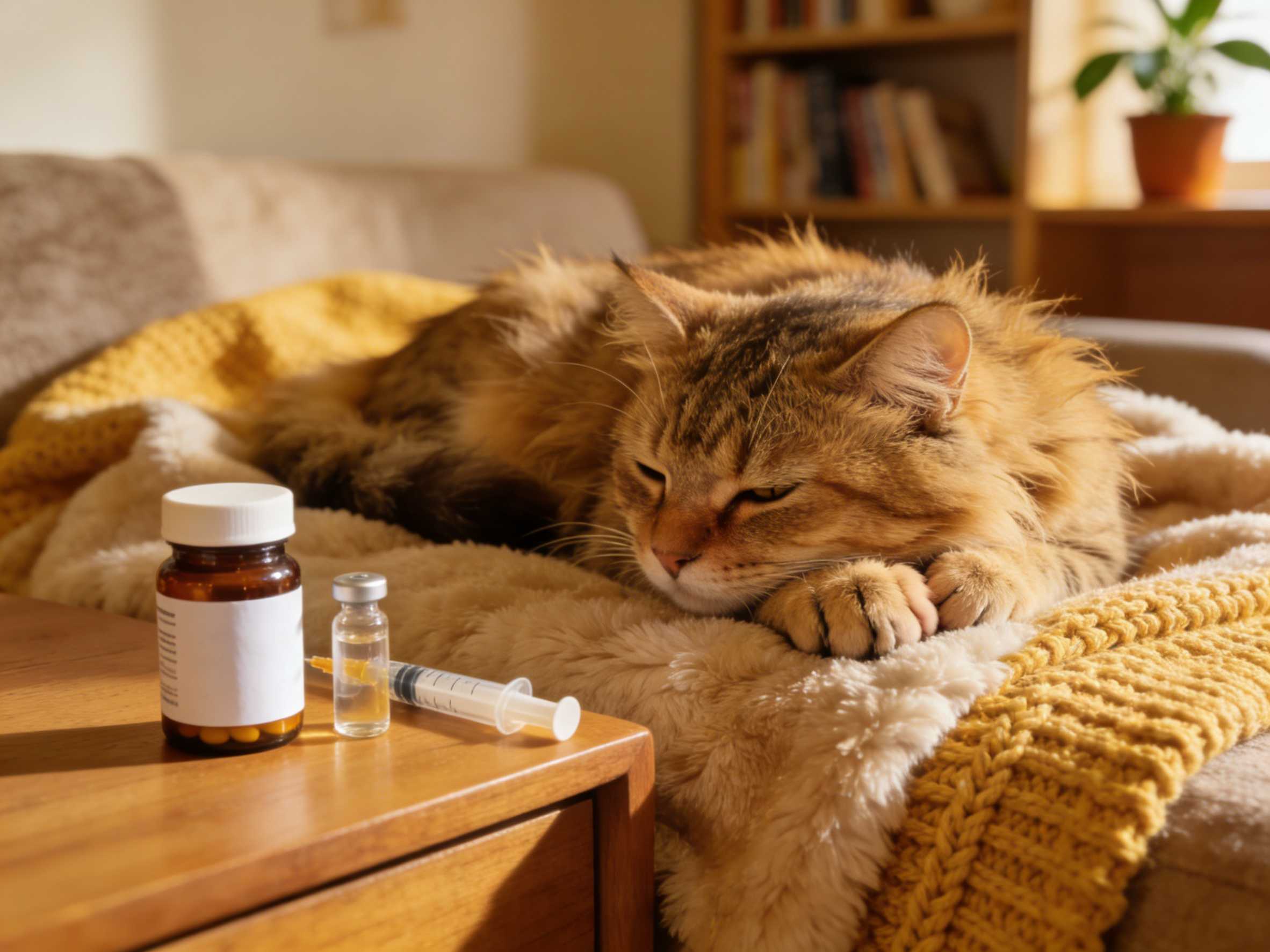
Seeing your dear pet battle Feline Infectious Peritonitis (FIP) can be deeply upsetting. Yet, when a thorough treatment plan starts to falter, it brings a special wave of worry. Many cat owners feel hopeful at first with GS-441524. But that hope can shift to strong concern if signs linger or get worse.
If you face what looks like FIP treatment failure, know that you are far from alone. This challenge does not always signal the end for your cat. At FIPRecover, we hold firm to the idea that “Every Life Deserves a Second Chance.” We draw on our research knowledge to offer clear steps and fixes that can improve your cat’s condition.
Identifying the Signs of FIP Treatment Failure
Recognizing Persistent Clinical Symptoms
FIP often shows up with a steady fever, tiredness, poor eating, and, in wet forms, belly fluid buildup or chest fluid. Most cats notice clear gains in 5 to 10 days on solid antiviral drugs. However, no change at all—such as fever that stays or fluid that keeps growing—points to a method that is not succeeding.
Differentiating Between Slow Response and Failure
You must tell apart a “slow responder” from actual FIP treatment failure. Certain cats, particularly those with heavy organ damage or late-stage dry FIP, might need up to two weeks for clear shifts. But if after 14 days, eating or movement shows no gain at all, or if brain-related signs like fits or unsteadiness appear on a usual dose, then the plan falls short.
The Role of Dosage and Weight Accuracy
The Danger of Underdosing Based on Weight
A frequent cause for GS-441524 not working stems from wrong dose figures. The usual range sits at 4–10 mg/kg/day. Yet, you have to tweak it as the cat puts on weight in healing. We supply exact items like 40 mg GS-441524 Tablets for FIP cats between 2.0~4.0 kg. These make it simple for owners to keep doses spot on.
Adjusting Dosage for Neurological and Ocular FIP
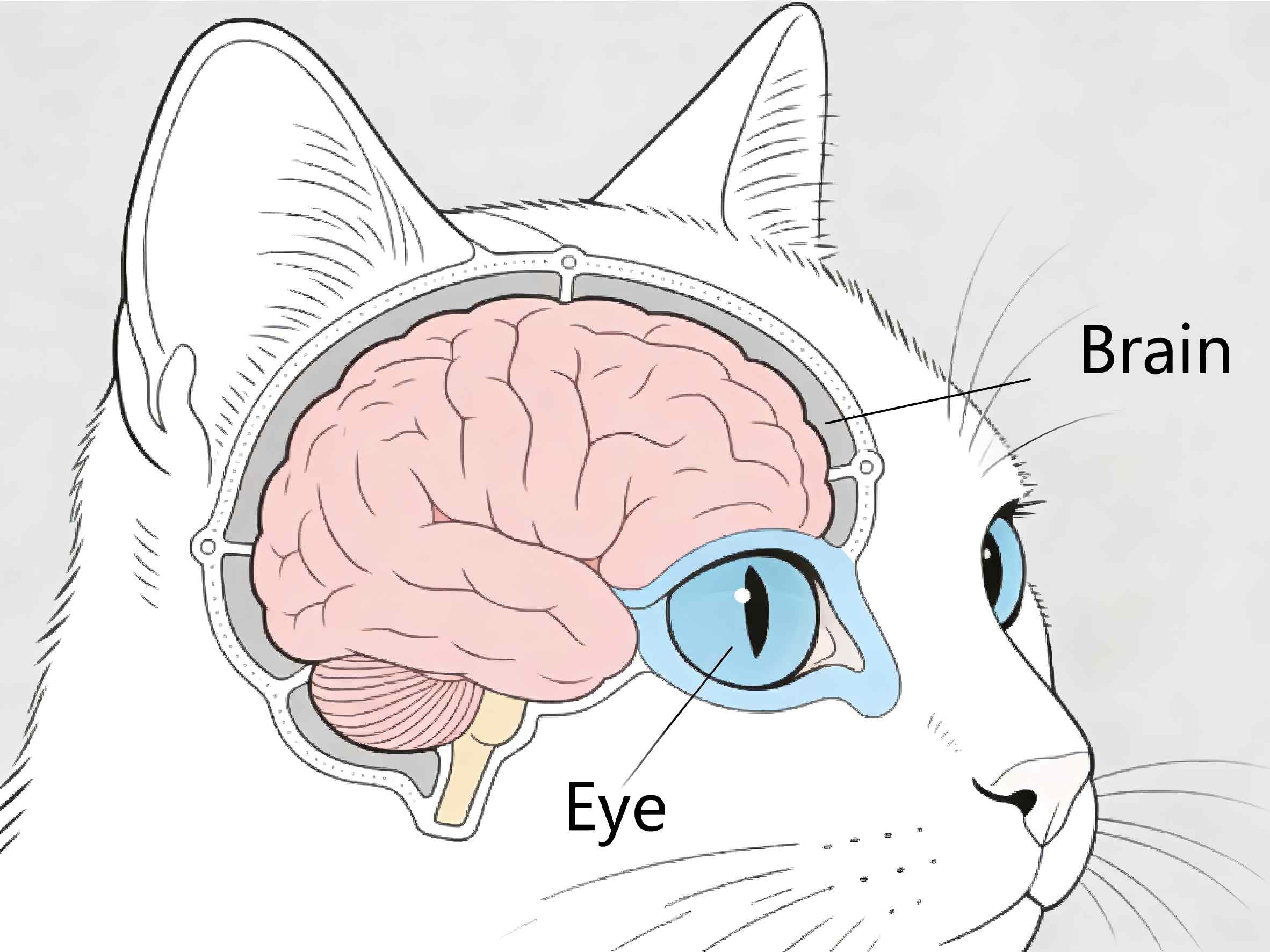
Brain and eye types of FIP prove tough to handle. The virus slips past the blood-brain or blood-eye walls. So, these situations demand far higher drug levels—usually 10-12 mg/kg or more—to work well. For such tough spots, a strong option like our GS-441524 Injections [30 mg/mL 10 mL] proves key. The 30 mg/mL strength acts quicker and fights the virus harder than the 20 mg/mL types.
Why Treatment Duration and Consistency Matter
Risks of Shortened Treatment Courses
The full 84-day (12-week) plan stands as the top choice to wipe out the FIP virus for good. Halting early, even when the cat seems fully fit at week 6 or 8, often leads to a comeback and what feels like treatment letdown.
Managing Missed Doses and Administration Timing
GS-441524 has a half-life of nearly 24 hours. Thus, steady use matters a lot. Skipping shots or varying times can spark “viral escape.” Here, the virus shifts to resist the drug. If daily shots stress owners, switching to pill forms boosts follow-through. It ensures the cat gets the dose right on schedule, free from needle discomfort.
Drug Quality and Purity Concerns
Impact of Low-Purity GS-441524 on Recovery
Europe’s underground market for FIP meds overflows with subpar goods. If purity dips under 99%, leftover contaminants spark harsh swelling, liver strain, or plain failure to curb the virus.
The FIPRecover Standard for Pharmaceutical Purity
As a skilled producer, FIPRecover follows global production rules. Our [30 mg/mL 8 mL] and other bottles face strict double checks for safety and results. We use clean methods to create a clear, very pure liquid. It avoids crystal formation easily, which cuts shot-site ache and boosts uptake. Picking a proven supplier marks the initial move to mend a weak treatment.
Complications and Underlying Health Issues
Addressing Secondary Infections and Inflammation
At times, GS-441524 not working does not mean blame the drug. Instead, extra bugs or heavy swelling block the antiviral’s power alone. FIP drains the body’s defenses, leaving cats open to other germs. Adding boosts like key nutrients helps.
How Misdiagnosis Leads to Perceived Treatment Failure
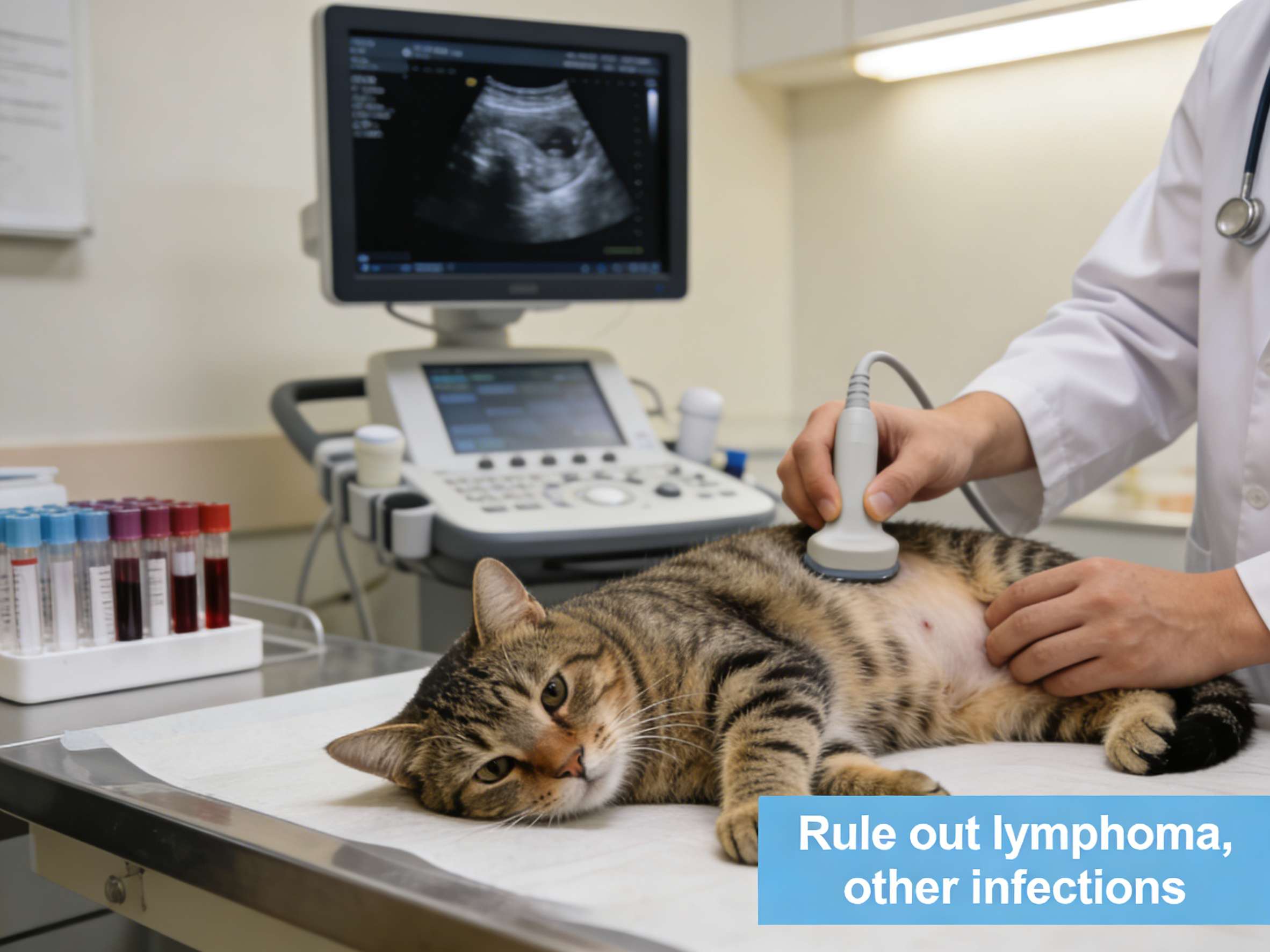
FIP acts as a quiet killer. Its signs can look like other cat illnesses. If a cat gets labeled FIP wrongly but truly has cancer, like lymphoma or another infection, GS-441524 won’t help.
Effective FIP Treatment Solutions
Transitioning to FIPRecover GS441524 High-Concentration Injections
When a cat struggles with weak-strength or impure items, the quick fix involves moving to a reliable, strong mix. Our GS-441524 Injections [30 mg/mL 7 mL] or GS-441524 Injections [30 mg/mL 6 mL] target hard cases. They deliver a sharper virus hit to steady the cat fast.
Utilizing Molnupiravir for GS-441524-Resistant Cases
For spots where the virus fights back against GS-441524, FIPRecover supplies Molnupiravir as a solid backup. Unlike GS-441524, which stops copying, Molnupiravir slips “deadly changes” into the virus’s RNA. We stock 40 mg Molnupiravir Tablets (EIDD-2801) for 3 KG cats with FIP.
Conclusion
FIP treatment failure poses a tough barrier, but it often yields to fixes. By tackling matters like low doses, drug cleanliness, and full run length, and by being ready to shift to backups like Molnupiravir when needed, you raise your cat’s survival odds greatly.
At FIPRecover, we go beyond making; we stand as your allies in battle. We supply pure meds and skilled aid to guide even hard cases. Contact us today to receive a professional consultation and discover how FIPRecover GS441524 and Molnupiravir solutions can save your cat’s life.
FAQ
Q: Why is my cat’s FIP returning after initial improvement?
A: Relapses usually stem from too-short treatment (under 84 days) or doses too small to clear the virus fully, especially if the cat gained weight along the way. When this occurs, restart care at once, often with higher amounts, to take back charge.
Q: Can I switch to Molnupiravir if GS-441524 is not working?
A: Yes. Molnupiravir serves as a strong choice for cats that resist GS-441524 or have faced repeated comebacks. It halts virus copying via a fresh path.
Q: Is 12 weeks of treatment always necessary for FIP?
A: Though some cats show health signs far earlier, the 84-day standard remains vital to remove all virus bits from the body. Cutting it short raises the relapse risk sharply, which could prove deadly.
Q: How do I know if the GS-441524 I am using is pure enough?
A: Solid goods need at least 99% purity. If your drug looks murky or sparks wild spot reactions without gains, purity is likely the problem.

Post Comment