




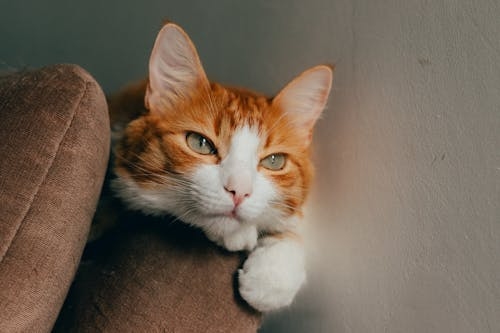
Feline Infectious Peritonitis (FIP) used to mean a hopeless outlook for affected cats. Today, targeted antiviral treatments have changed outcomes for many patients. At FIPRecover, our team has supported many FIP treatment cases worldwide using high-purity GS-441524 and Molnupiravir. Still, the possibility of FIP relapse remains a real worry for owners and veterinarians. A relapse can bring back symptoms, increase emotional stress, and lead to additional treatment costs. Our goal stays clear: give cat owners practical, science-based tools and guidance so cats like our success story Nomi can recover fully and stay healthy long term.
Understanding FIP Relapse in Cats
Defining Clinical Recurrence
A relapse happens when FIP signs return after a cat finishes or stops antiviral treatment. This usually stems from incomplete clearance of the feline coronavirus (FCoV). Once medication levels drop, any leftover virus can begin multiplying again. At FIPRecover, we measure true recovery through both the disappearance of visible signs and steady long-term health markers.
The Critical Observation Phase
The 84-day post-treatment monitoring period stands as the most important checkpoint. Many relapses are observed within the first few weeks after treatment ends. During this window, owners should check their cat’s temperature daily, note appetite changes, and watch daily activity. A sudden drop in energy or return of fever often signals the virus becoming active once more.
Primary Causes of Treatment Failure
Insufficient GS-441524 Dosage for FIP
One frequent cause of FIP relapse involves dosing that falls short of what the virus needs. GS-441524 needs to maintain effective antiviral levels in the body to stop RNA replication. Mistakes in calculating the dose according to current body weight, or failing to increase it as the cat gains weight during recovery, can leave pockets of virus intact. For larger cats or those showing severe signs, FIPRecover recommends our GS441524 Injection 30mg/mL to maintain effective levels throughout treatment.
Risks of Premature Termination
Many owners see their cat eating and playing again within the first two weeks and feel ready to stop. Yet ending the course before the full 84 days often leads to quick return of symptoms. The FIP virus can survive in the body longer than expected. Completing the entire schedule gives the best chance of clearing every reservoir.
Viral Hiding in Sanctuary Sites
In neurological or ocular forms of FIP, the virus moves past the blood-brain barrier or blood-eye barrier. These sanctuary sites limit how well standard doses reach the affected areas. Without raising the dose—for example, by using our 40mg/mL 6mL GS441524 vials or following a tailored plan—the virus may remain hidden and later cause seizures or uveitis.
Effective FIP Treatment Protocol Strategies
Adhering to the 84-Day Regimen
Daily consistency in dosage administration is very important. Regardless of whether the cat is on injections or tablets, administering the dosage at the same time every day will help maintain consistent drug concentration in the body. Most veterinarians begin treatment using GS441524 Injection 20mg/mL available in 6mL, 8mL, or 10mL vials due to its high bioavailability.
Transitioning to Oral Maintenance
In the second half of treatment, many owners switch to our GS-441524 Tablets. These oral forms reduce stress for both cat and owner. Many owners find oral tablets easier to administer during long-term treatment and can be given whole or crushed into a small amount of favorite food. This approach improves compliance during the long weeks of therapy.
Advanced Options for Recurrent Cases
Utilizing Molnupiravir for Resistance
When relapse occurs despite a standard GS-441524 course, it may suggest incomplete viral suppression or reduced treatment response. In such situations, veterinarians often turn to our 40mg Molnupiravir Tablets. This compound works by increasing viral RNA replication errors, stopping further replication. It works well as a follow-up or add-on when GS-441524 alone proves insufficient.
Benefits of High-Purity APIs
FIPRecover sources 99.5% Purity GS-441524 Powder and 99.5% Purity Molnupiravir Powder for all finished products. Higher purity helps improve product consistency and quality control in clinical use.
How to Prevent FIP Recurrence
Rigorous Blood Work Monitoring
Symptom watching alone is not enough. Blood tests every two to four weeks during treatment allow tracking of the Albumin/Globulin (A/G) ratio. Reaching 0.8 or higher, together with normal SAA levels, offers a stronger sign that the infection is under control. One owner we supported noticed the A/G ratio climb from 0.4 to 0.9 by week ten; this helped confirm it was safe to plan the end of therapy.
Professional Guidance and Support
Dealing with FIP feels overwhelming, but experienced help makes a difference. FIPRecover offers a support team of senior veterinarians and medication specialists. We provide free consultations to review blood results and fine-tune GS-441524 dosage according to each cat’s progress.
Conclusion
FIP recurrence prevention involves consistent administration of high-purity drugs, as well as careful observation of the entire treatment period. Adhering to the 84-day FIP treatment regimen and opting for high-quality drugs like GS441524 Injection 30mg/mL or 40mg Molnupiravir Tablets ensures that the felines receive maximum protection from the disease recurrence. Here at FIPRecover, our main goal is to provide a second chance to every single cat.
Contact FIPRecover today for expert advice on the best path for your cat’s full recovery.
FAQ
Q: Can a cat survive a FIP relapse?
A: Yes. Many cats recover after relapse when owners act quickly. Treatment may involve dosage adjustments under veterinary supervision or a switch to 40mg Molnupiravir Tablets to address possible resistance.
Q: How do I know if my cat is relapsing?
A: Look for the return of earlier signs such as lethargy, fever, or fluid in the abdomen. Neurological cases may show balance problems or seizures. Regular A/G ratio blood tests remain the most dependable method for early detection.
Q: Why does FIP relapse occur after using GS-441524?
A: Common reasons include stopping treatment before 84 days, using too low a dose for the cat’s weight, or the virus persisting in protected sites like the brain or eyes.
Q: When is it safe to stop FIP treatment?
A: Only after completing the full 84 days and confirming the cat has stayed symptom-free for several weeks with blood work showing an A/G ratio of at least 0.8. The FIPRecover support team can review results to help make this decision.

Post Comment