




For experts in cat breeder circles, receiving a Feline Infectious Peritonitis (FIP) diagnosis used to mean a hopeless end for a breeding program. This is a complex illness. It starts when the common feline coronavirus mutates. This creates a higher risk environment in multi-cat breeding facilities. Luckily, feline medicine has changed a lot because of new antiviral tools. At FIPRecover, we work hard to connect modern science with real-world cattery care. We provide high-purity GS-441524 products and closely follow the latest developments regarding Molnupiravir use in feline medicine. This helps breeders move past basic comfort care. Instead, they can aim for a full recovery and keep their kittens safe for a long time. Our goal is to improve treatment outcomes and support cats diagnosed with FIP through evidence-informed antiviral therapy.
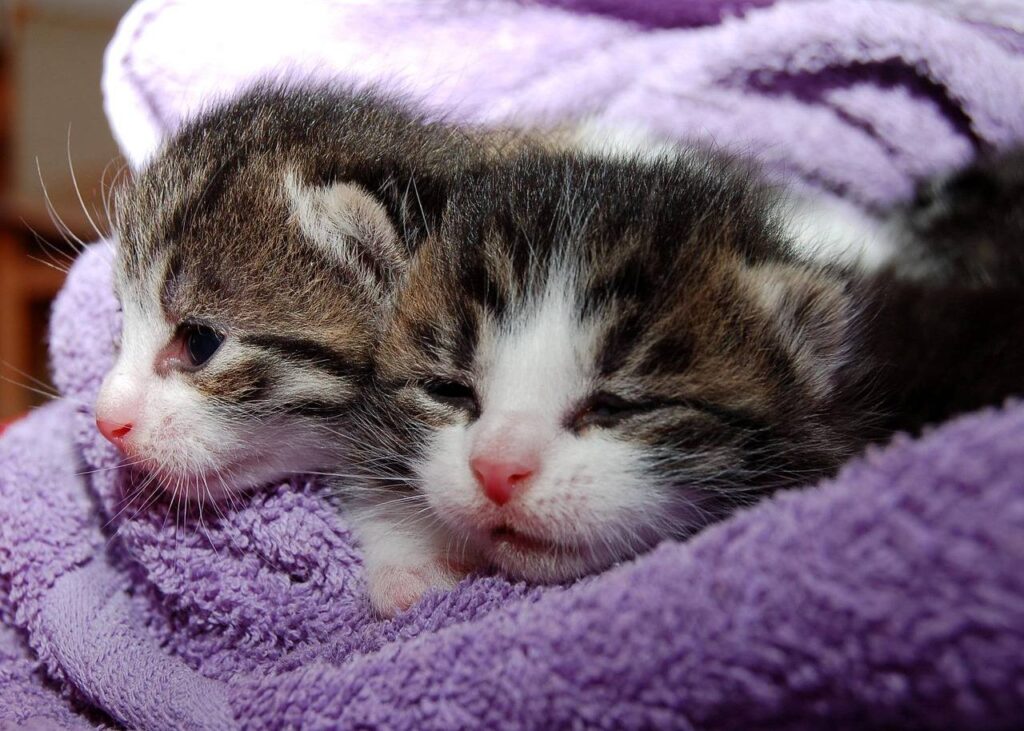
Why Is FIP More Common in Catteries?
Feline Coronavirus in Multi-Cat Households
In a multi-cat household or a professional cattery, feline coronavirus (FCoV) is often everywhere. Usually, FCoV only causes mild or self-limiting gastrointestinal signs. However, having many cats in one place builds up the amount of virus in the environment and on surfaces. At FIPRecover, we know that the mutated FIP itself does not spread from cat to cat. Instead, the basic coronavirus moves through shared litter boxes and close play.
Impact of Stress on Kitten Health
Kitten health is very fragile during weaning or when moving to a new home. These times are full of stress. Stress is considered one of several factors that may contribute to viral mutation and the development of FIP. When a kitten is tired or stressed, its immune system gets weak. Then, it evades the host immune response. This leads to the granulomatous inflammation and immune-mediated vasculitis seen in Feline Infectious Peritonitis. People with breeding cats must focus on keeping the environment calm to stop these mutations from happening.
Managing High-Density Breeding Environments
Running a cattery well takes a very strict plan for cleaning and space. Busy rooms make it easy for the virus to spread. We suggest keeping cats in small, steady groups. You should also clean common spots very often. Doing this lowers the total viral pressure on everyone in the colony.
How Can Cat Breeders Recognize Early FIP Symptoms?
Recognizing Wet Versus Dry FIP
Finding an FIP diagnosis early is the best way to raise the FIP survival rate. Wet FIP is usually easy to notice. This is because fluid builds up fast in the belly or chest. You might see a swollen tummy, heavy breathing, or a fever that won’t go away. On the other hand, Dry FIP is much harder to find. It shows up as slow weight loss, low energy, or granulomatous lesions affecting internal organs. It is one of the toughest things to catch in cattery management.
Spotting Neurological and Ocular Signs
Cat breeders must watch for specific clinical manifestations too. Neurological FIP can make a cat shaky, cause seizures, or behavioral changes. Ocular FIP affects ocular tissues. It makes them look cloudy or red and can even cause blindness. At FIPRecover, our studies show these types need more medicine.
Diagnostic Protocols for Breeding Facilities
We tell breeders to work with vets to check blood levels often. A low albumin/globulin (A/G) ratio—usually under 0.6—is a big warning sign for FIP. If you fear an FIP outbreak in a cattery, use PCR tests. Also, check Serum Amyloid A (SAA) levels. These help confirm the problem and show if the FIP treatment is working.
Why Is GS-441524 Considered the Gold Standard for FIP Treatment?
How GS-441524 Blocks Viral Replication
GS-441524 is a nucleoside analogue that acts like a fake building block for the virus. It steps into the viral RNA chain while the virus tries to grow. This interrupts viral RNA synthesis. It prevents the virus from making more copies of itself. This mechanism inhibits viral replication, allowing the immune system to gradually regain control of the infection.
FIPRecover Injections Versus Oral Tablets
We offer different ways to give the medicine based on the FIP recovery stage. For cats that are critically ill or have tummy issues, FIPRecover GS-441524 Injections are best. They work very fast. We provide options like GS441524 Injection 20mg/mL and GS441524 Injection 30mg/mL. These come in 6mL, 8mL, and 10mL sizes. For cats that are more stable, our FIPRecover GS-441524 Tablets are a great choice. They are easy to give and provide a less invasive treatment option. They come in 20mg, 40mg, 50mg, and 60mg sizes to match the cat’s weight exactly.
Determining the Correct GS-441524 Dosage
The right GS-441524 dosage depends on the cat’s weight and the kind of FIP they have. For example, with our 20mg/mL liquid, a standard plan looks like this:
- Wet FIP: 0.4ml/kg*body weight kg
- Dry FIP: 0.6ml/kg*body weight kg
- Neurological/Ocular FIP: 0.7ml/kg*body weight kg
A full GS-441524 treatment usually takes 84 days.
Molnupiravir Uses for Complex Cases
Managing GS-441524 Treatment Resistance
Even though GS-441524 works very well, some viruses might fight against it. This is when Molnupiravir uses become very important. Molnupiravir induces lethal mutagenesis during viral RNA replication, leading to error accumulation that prevents continued viral replication.
Addressing FIP Relapse in Catteries
Sometimes a cat gets sick again if the first dose was too low or if the treatment stopped too soon. In these cases, using Molnupiravir can help. It provides the additional antiviral activity to achieve a successful remission.
Strategic Use of FIPRecover Molnupiravir
We sell FIPRecover Molnupiravir Tablets (40mg), which are formulated for convenient oral administration. For special needs, we also have 99.5% Purity Molnupiravir Powder. Using FIPRecover Molnupiravir with a vet’s help can really help cats that are hard to treat.
How Can Cat Breeders Prevent FIP Outbreaks?
Reducing Feline Coronavirus Transmission Risk
Stopping the virus before it starts is the best cat health management. Since feline coronavirus is primarily transmitted through the fecal–oral route, you need many litter boxes. Use one for every cat plus one extra. Clean them often with safe cleaners to prevent FIP in catteries.
Establishing Quarantine and Hygiene Protocols
When you bring a new cat home, isolate newly introduced cats for a while. This quarantine is vital. Breeders should check if the new cat is carrying FCoV. Make sure the cat is not stressed, as stress can cause the virus to change. Our FIPRecover team offers free help and advice to set up these safety steps.
Long-Term Monitoring for FIP Recovery
A good FIP recovery story continues after the medicine stops. We suggest blood tests every few weeks during the 84-day plan and for a short time after. If the A/G ratio stays at 0.8 or higher and other blood markers are normal, the cat is considered to have achieved sustained clinical remission.
Conclusion
Moving from an FIP diagnosis to a full FIP recovery takes more than just a pill. It requires science, careful cattery work, and evidence-based antiviral therapy. FIPRecover is a proud partner to breeders and vets everywhere. By learning how to treat FIP and being proactive, breeders can protect their cats. We are changing FIP from a fatal disease into a manageable disease. Together, we can help every kitten grow up healthy.
Contact FIPRecover today for expert help with GS-441524 dosage and new FIP treatment options to keep your cattery safe.
FAQ
Q: Is FIP contagious between cats in a cattery?
A: The mutated FIP virus itself does not usually pass between cats. However, the feline coronavirus (FCoV) moves very easily. In a cattery, a lot of FCoV makes it more likely that a mutation will happen in a kitten, especially if they are stressed.
Q: What is the difference between GS-441524 and Molnupiravir?
A: GS-441524 is the first choice for FIP treatment because it is very safe and well-tested. It stops the virus from growing. Molnupiravir is an alternative antiviral therapy. It is used if the cat does not respond to the first drug or if the sickness comes back.
Q: Can I prevent FIP in my kittens through management?
A: It is hard to get rid of feline coronavirus completely. But you can lower the risk. Keep stress low, keep things very clean, and follow a good cat health management plan. Using FIPRecover steps for kittens at risk can also reduce the risk of FIP development before it starts.

Post Comment