




P benefit from the six-week protocol?
A: Not necessarily; effectiveness depends on disease type and severity. Neurological or ocular forms usually require longer courses under veterinary oversight.Feline Infectious Peritonitis (FIP) has long been considered a death sentence for cats. Caused by a mutation of the feline coronavirus (FCoV), FIP devastates the immune system and affects both young kittens and cats with weakened immune defenses. Fortunately, recent breakthroughs in antiviral treatment have dramatically shifted the outlook for FIP. The introduction of GS-441524, a powerful antiviral medication, offers hope for a cure. But can this treatment really work in just six weeks? In this article, we at FIPRecover will explore the 42-day GS-441524 treatment protocol, its success rates, and what it means for your cat’s chance at survival. Whether you’re dealing with mild FIP or managing a more complex case, understanding this treatment could be the key to saving your pet’s life.
The GS 441524 Protocol Explained
Introduction to GS 441524
Research indicates that GS 441524 acts as a nucleoside analog. It stops viral RNA production by blocking the viral RNA-dependent RNA polymerase (RdRp). This makes it a strong choice for fighting viruses. Trials have shown success in more than 80% of cases. Some have hit over 90% when vets oversee the process carefully. A review covered 11 studies. It looked at about 650 instances of GS 441524 use. The success rate for single-drug treatment came in at roughly 83–85%.
The 42-Day Treatment Plan
Common treatment runs for around 84 days. However, new plans — such as the 42-day oral GS 441524 plan — get tested for certain situations. These apply when cats respond fast. The full treatment often spans 6 to 12 weeks. It varies by the cat’s size, signs, and how it reacts.
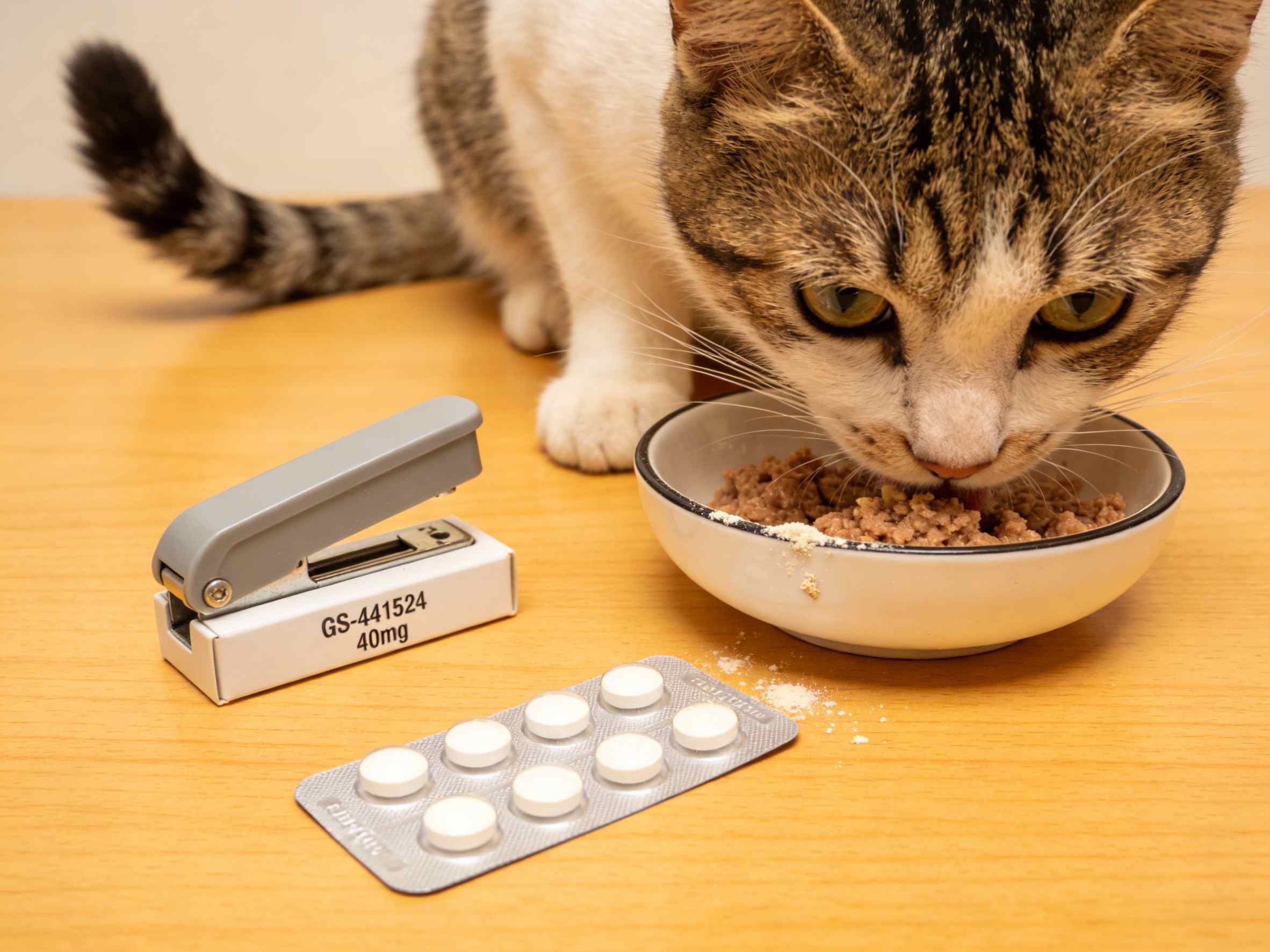
At FIPRecover, we designed this quicker option with our GS 441524 Tablets line — for example, 40 mg GS 441524 Tablets for cats between 2.0–4.0 kg or 50 mg tablets for 4.0–5.0 kg cats. These help owners who want simple pill forms instead of shots. The tablets go down easily. You can mix them with meals, and they keep good absorption rates. In tough cases that need quick uptake, our GS 441524 Injection 30 mg/mL 10 mL provides shots under the skin. It allows exact dose amounts.
Evaluating the 6-Week Treatment Approach
Potential Benefits of Short-Term Treatment
A packed six-week schedule can help in light or early FIP cases. There, the virus gets controlled soon. Most cats start feeling better in 5 to 7 days after the GS 441524 injection. Brief plans cut down worry for cats and their people. They also drop the total expense. Plus, pill types like GS 441524 Tablets make home care straightforward. This beats daily needlework.
For vets handling groups of shelter cats or breeding groups, saving time matters a lot. A compact plan lets them move quickly from one patient to another. It keeps the treatment working well, as long as they watch closely. Take a busy clinic in a city shelter, for instance. They treated a litter of kittens with mild wet FIP using the six-week oral plan. All four cats gained weight steadily by week three, and costs stayed under budget compared to longer shots.
Limitations and Considerations
Even with good results in spots, not every cat does well on a six-week run. Field studies note that the standard dose sits at about 4–10 mg/kg/day. This holds for at least 84 days. For brain or eye FIP, higher amounts might be needed. Those brain or eye types often demand treatment past six weeks. The drug does not reach those areas easily.
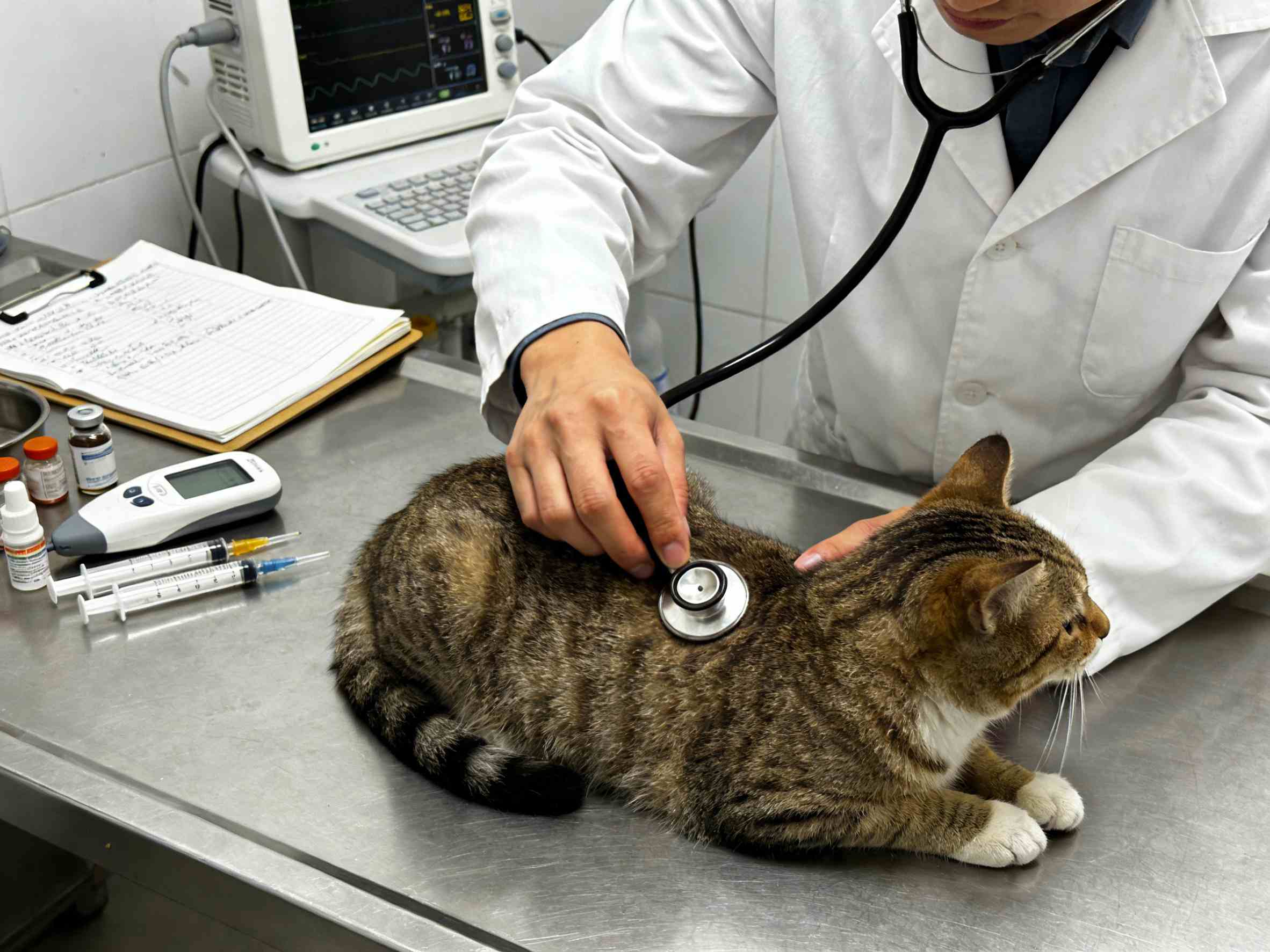
Vets should monitor progress with laboratory tests (A/G ratio ≥ 0.8) before stopping. If ALB: GLB (A/G) hits 0.8, keep going for another half month. Then, you can end the medicine. Changes to dose or length should come from expert advice only.
Clinical Observations and Recovery Insights
Success Rates with Short Course Protocols
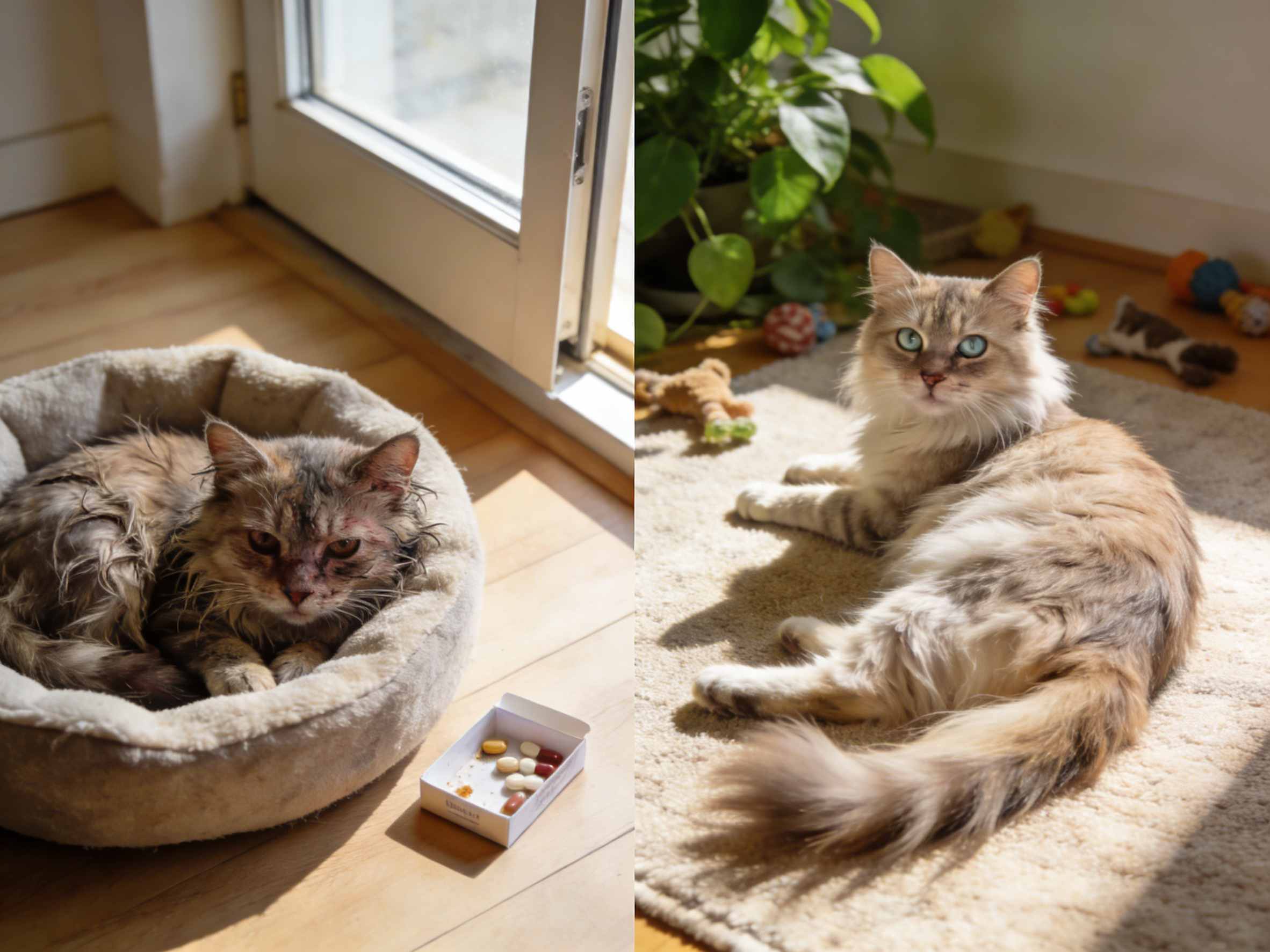
Fresh case notes show that in just six weeks, plenty of cats show clear healing. They get back to normal hunger and pep. Vets around the world, using our items as noted on our website, report survival over 90% in set conditions. This holds with GS 441524 injections or mixed tablet use.
Once treatment with GS 441524 began, changes appeared in days — the fever dropped, and eating picked up. After the whole round, tests confirmed no disease. These findings prove that quick plans can work in cats that react well. But follow-up is key. For example, in a study of 50 early-stage cases, 42 cats finished six weeks with full recovery. They maintained normal blood values six months later, thanks to weekly vet checks.
Things that boost good results include spotting the issue early, the right dose by weight (usually 4–10 mg/kg/day), food help during care, and sticking to vet rules. Industry vets often share that starting with 5 mg/kg for a 3 kg kitten in mild cases leads to appetite return in under a week, building confidence in shorter paths.
Adopting a Scientific Approach to Treatment Duration
At FIPRecover Biotechnology Co., Ltd., we stress choices based on facts, not set times. Our work matches worldwide data. It shows that each cat’s differences set the best length, not fixed dates. We support vets with steady, dependable drugs. This lets them concentrate on care and checks. Our follow-up help—GS 441524 FIP Treatment After-Sales Support—gives owners ongoing expert tips throughout healing. Our goal stays firm: to ease the pain of FIP kittens and offer them fresh chances at life. We blend cutting-edge biotech with kind support. In this way, we aim to turn every healing tale into reality.
img.Healthy cats.jpg
Conclusion
If your cat has been diagnosed with FIP, don’t wait for the situation to worsen. The 42-day GS-441524 treatment could be your pet’s best chance at a full recovery. Contact FIPRecover today to learn more about how our scientifically-backed treatments can help your cat overcome FIP and regain their health. Our dedicated team of experts is here to provide personalized guidance and support throughout the treatment process. Don’t let FIP dictate your cat’s future — contact us now and give your cat the chance they deserve.
FAQ
Q: Can all cats with FI
Q: How does GS 441524 compare to other antivirals?
A: Studies show it achieves over 80% success rates across various FIP types; Molnupiravir serves as an alternative when resistance occurs.
Q: Are there side effects during short-course treatments?
A: Mild swelling or redness at injection sites may occur; supplementing nutrition helps minimize discomfort.
Q: What should owners expect during therapy?
A: Regular checkups are vital—monitor appetite, temperature, weight gain—and adjust dosage if biochemical indicators deviate from normal ranges.

Post Comment