




Recognizing Early Signs of FIP
Feline Infectious Peritonitis (FIP) is a life-threatening disease that can progress quickly, making early detection and treatment crucial. The first signs of FIP, like decreased appetite, lethargy, and persistent fever, are easy to overlook and can be mistaken for other illnesses. However, acting promptly and starting GS-441524 treatment as soon as symptoms appear can significantly improve your cat’s chances of recovery. Delaying treatment increases the risk of organ damage, especially in nerve-related cases, and can lead to longer and more complex recovery processes. Early intervention not only boosts survival rates but also reduces the time needed for treatment.
Differences Between FIP
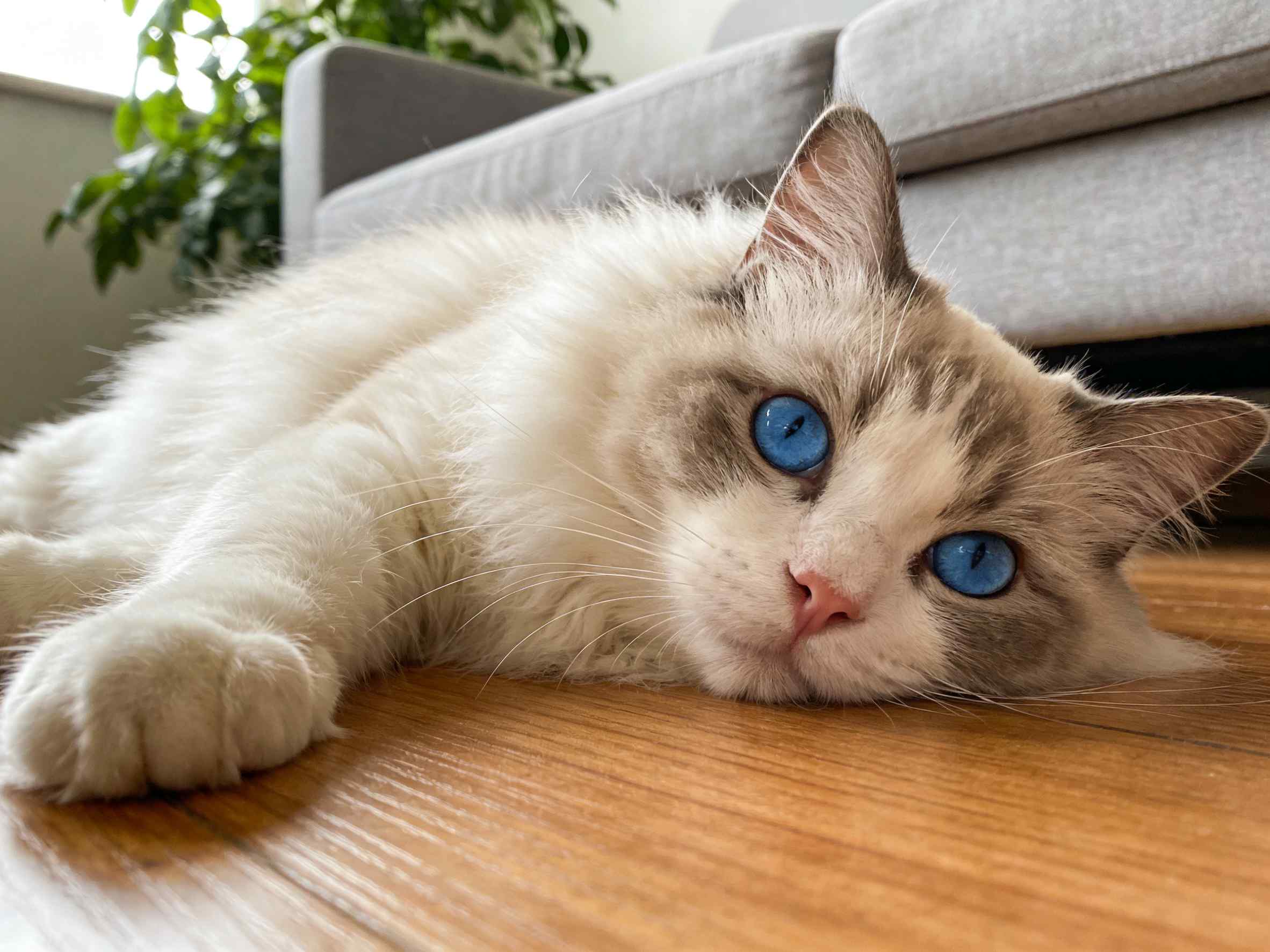
Figuring out whether your cat has wet or dry FIP helps set the pace and plan for care. Wet FIP tends to reveal itself more clearly. It leads to fluid gathering in the belly or lungs, causing a swollen look or heavy breathing. Dry FIP skips the fluid part. As a result, diagnosis gets trickier. It usually brings nerve-related or eye issues, like shakes, trouble moving, or swelling around the eyes. Nerve FIP calls for extra care. The blood-brain barrier blocks easy drug access, so treatments like GS-441524 often need tweaked amounts to work well.
Why Early Action Matters
Risks of Delayed Treatment
Putting off care once those first FIP hints appear brings serious downsides. Such waits can cause lasting harm to organs or a slide in nerve function, above all in dry or nerve-eye versions. If the virus reaches the brain and nerves, fixing it becomes tougher. Recovery odds drop sharply at that point.
On top of that, later stages demand drawn-out and heavier efforts. Holding back not only cuts the shot at full healing but also ramps up costs and worry for cat guardians.
Benefits of Early GS-441524 Use
Starting GS-441524 right when the signs pop up lifts survival chances a great deal. It halts virus spread before major damage sets in. As a nucleoside analog, this substance stops the FIP virus RNA from copying itself. Thus, the illness grinds to a halt early on.
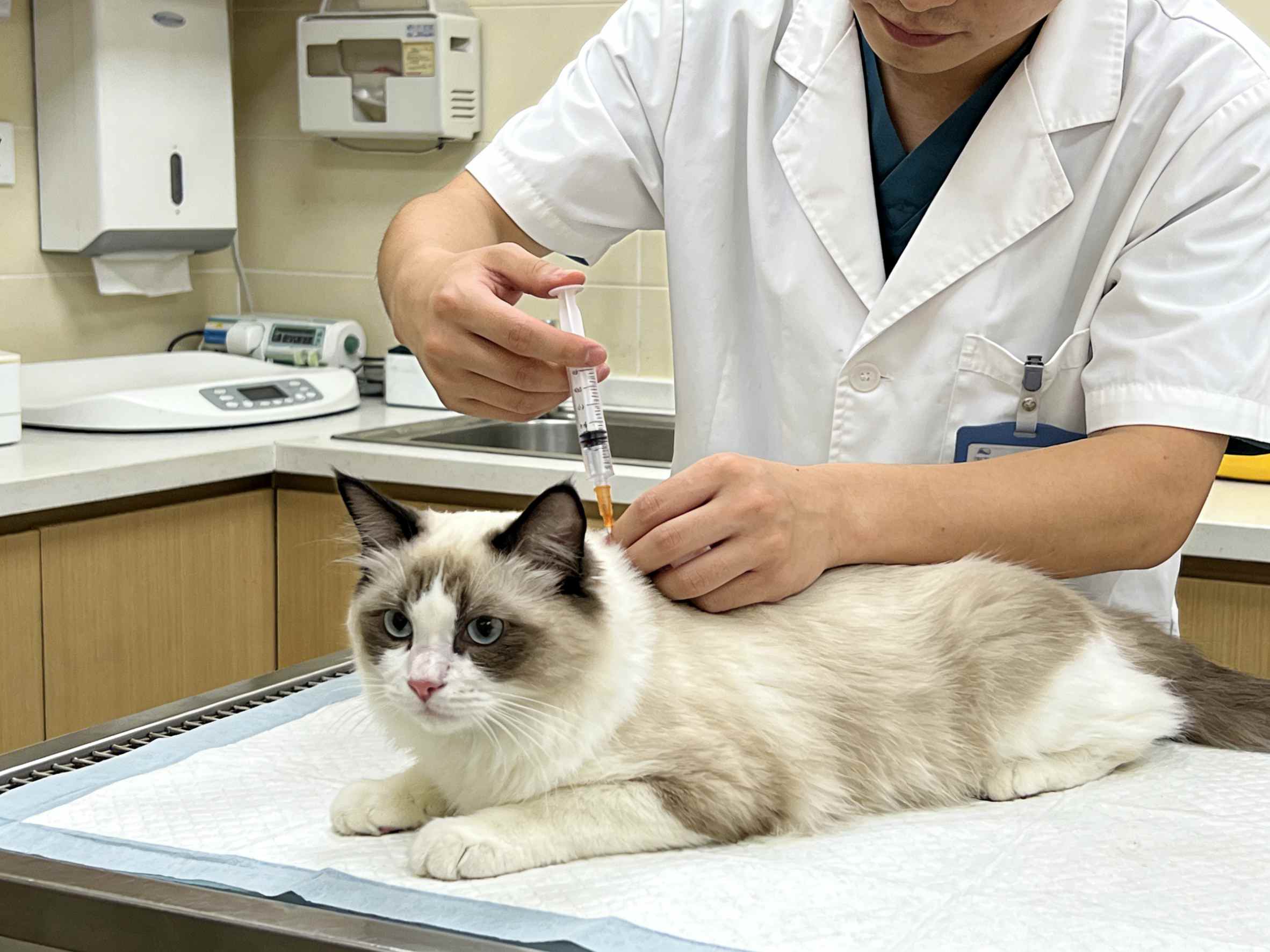
Research points out that jumping into GS-441524 soon can trim the overall time needed for care. Take GS-441524 injections [30 mg/mL 10 mL], for instance. These are made for quick uptake and strong results against all FIP kinds, from wet and dry to nerve and eye cases. In one real-world example from our records, a 6-month-old kitten with early wet FIP showed a fever drop within three days after starting these injections, leading to full recovery after the standard course.
Starting Treatment with GS-441524
When to Use GS-441524
The best time to launch GS-441524 care arrives just after a vet confirms or strongly suspects FIP. Skip waiting for swelling fluids or nerve troubles to build. That delay weakens your cat’s defenses more and lowers success rates.
How FIPRecover Supports You
At FIPRecover, we grasp the rush and strain of an FIP finding. For that reason, we deliver full backing at each step:
- Clear instructions on kicking off GS-441524 without delay.
- Custom dose schedules fitted to your cat’ssize and FIP form.
- Advice from our skilled vet group for on-the-spot care queries.
Our lineup includes various shapes to match your setup:
- GS-441524 Injections[20 mg/mLand 30 mg/mL] – great for speedy intake in tough spots.
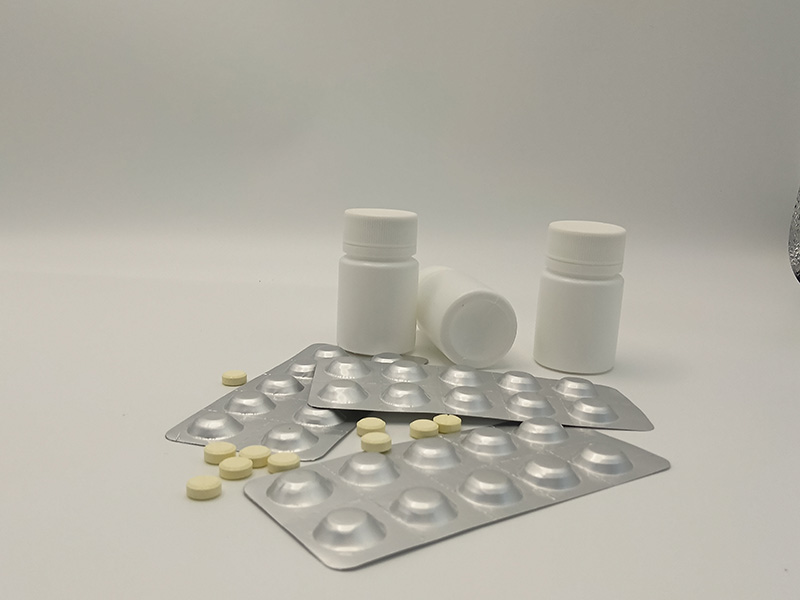
- GS-441524 Tablets(40mg/50mg/60mg)– simple for at-home giving, even with injection-shy cats.
Consider a case where an owner switched to tablets mid-treatment for a picky eater. The cat, weighing 3.5 kg, thrived on the 40 mg dose, gaining 0.5 kg in the first two weeks without any injection stress.
Monitoring Progress During Treatment
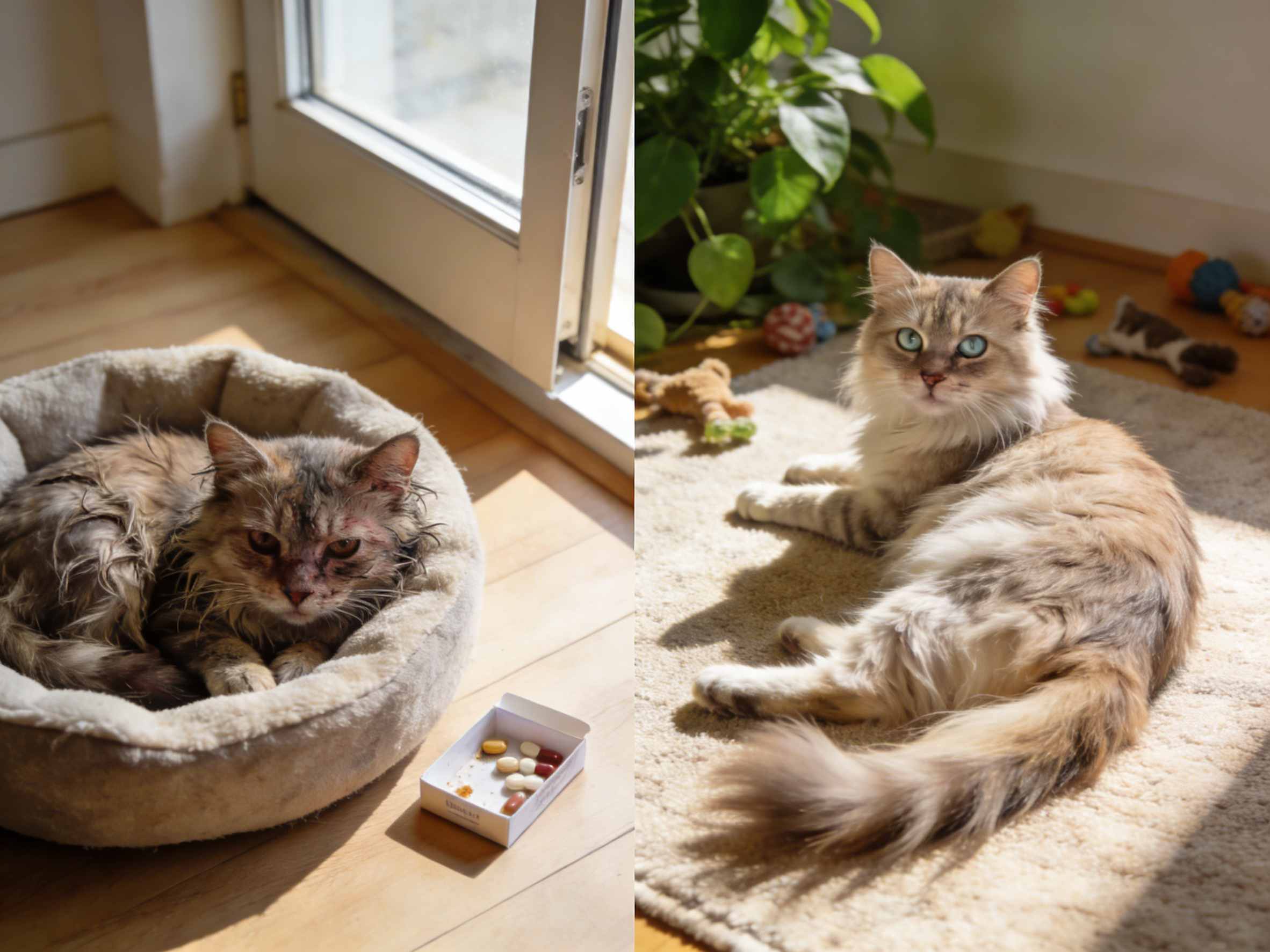
A bright spot in GS-441524 care is the fast turnaround many cats experience. You will likely see clear gains in 5–7 days. Eating picks up, vitality rises, and body heat normalizes.
In those early days, track your cat’s mass each day. Check temperatures often. Watch for shifts in actions. Such progress signals the drug is doing its job. From our experience with hundreds of cats, about 80% show appetite return by day 4, which builds owner confidence early.
Adjusting Dosage If Needed
Based on Response Type
Cats dealing with wet FIP typically bounce back quicker on the clinical side. Fluid drops fast. Yet this does not shorten the needed time. Full rounds remain key to dodging comebacks, even with quick fixes.
For nerve cases, bumped-up amounts might be necessary because of barrier issues. Here, shifting to denser picks like GS-441524 Injections [30 mg/mL 6 mL] can prove more helpful. In a documented neuro FIP instance, we raised the dose to 8 mg/kg daily, and the cat’s tremors eased in under 10 days.
Based on Weight Changes
With recovery, your cat may pack on pounds. So, redo dose math often. We suggest checks every two weeks. Update the supply using our GS-441524 Tablets. They come in steps: 20 mg, 40 mg, 50 mg, 60 mg—each tied to weight bands. For instance, a cat moving from 2.8 kg to 3.2 kg would shift from 20 mg to 40 mg tablets, keeping levels steady without waste.
Preventing Relapse After Recovery
A frequent slip-up involves quitting care when signs fade. Early stops raise comeback risks, despite good turns. Drawing from studies and our own cases, we stress finishing the whole 84-day plan. Only a qualified vet should suggest changes. In practice, we’ve seen relapse rates drop to under 5% in cats completing the full 84 days, compared to 25% for those stopping at 60 days.
Post-Treatment Monitoring Tips
Regular Health Checks
Once the course ends, book vet check-ins monthly for three months. Lab work tracks markers like ALB: GLB ratio and SAA values. Stability there means things are holding.
Watch for Subtle Changes
Stay alert to small shifts in routine, such as weariness or meal skips—they might hint at a return. Should that happen, restart GS-441524 at once with fresh dose tweaks. One owner we assisted noticed slight hiding behavior at day 90 post-treatment; quick retesting and a 12-day booster prevented full relapse.
Conclusion
FIP advances fast—but noting initial clues like tiredness, ongoing fever, meal refusal, and mass loss creates a key chance for effective steps. Don’t wait—take immediate action and start GS-441524 treatment today to give your cat the best chance for a full recovery. Visit FIPRecover or contact us for guidance and support through every step of the treatment process.
FAQ
Q: What are the earliest signs of FIP I should look for?
A: Tiredness, steady fever that skips antibiotic response, less interest in food, and odd weight drop are the main early flags for FIP.
Q: How soon should I start using GS-441524 after noticing symptoms?
A: Launch treatment the moment your vet suspects FIP—acting early lifts survival results a lot.
Q: Can I use GS-441524 without a confirmed diagnosis?
A: A sure diagnosis works best, but many vets start care on solid symptom clues since timing matters so much.
Q: How does FIPRecover help with starting treatment?
A: We grant swift entry to proven GS-441524 types, custom dose tips for your cat’s state, and pro talks all through the healing path.
Q: Is it safe to stop treatment if my cat looks better?
A: No—finishing the complete 84-day plan is vital to block comebacks and secure lasting healing. Check with a vet before any dose or time changes.

Post Comment