




The Challenge of FIP Resistance
Feline infectious peritonitis, or FIP, troubles many cat owners and vets alike. Antiviral drugs such as GS-441524 have changed results for numerous cats. Yet, some situations run into a tough and sad obstacle: resistance to the treatment.
Resistance might develop amid treatment as the virus picks up genetic changes that lessen the drug’s power. In certain situations, these changes could already exist in a small group of the virus. They grow when the drug’s pressure selects them. Moreover, if the virus keeps multiplying without full control—perhaps from low doses, early stopping, or weak absorption—resistant types can take over.
Recognizing the Signs of Treatment Failure
Spotting resistance early matters a lot for shifting the treatment path. Key warnings include:
- Steady or returning fever, even after days or weeks on GS-441524 therapy.
- Ongoing tiredness and lack of hunger.
- Persistent or fresh buildup of fluid in the belly or chest.
- No change in blood tests like the ALB: GLB ratio, or steady high SAA levels.
- Brain-related symptoms that get worse or come back after some progress.
FIP affecting the nerves often needs stronger GS-441524 doses or extended time. This stems from the drug’s limited reach into the brain and spine. When even those changes don’t work, resistance could be the issue.
Unpacking the Biology Behind Resistance
How Resistance Can Develop
The core reasons for GS-441524 resistance tie to the virus’s flexibility and drug-related stresses. As a nucleoside mimic, GS-441524 stops viral copying by aiming at RNA polymerase. However, if copying isn’t completely halted—for instance, from doses that fall short—FCoV can alter itself and dodge this block.Partial control of the virus lets resistant forms appear.
For example, in one clinic’s records, a cat with wet FIP started GS-441524 at 5 mg/kg daily. After two weeks, the fever lingered, and fluid returned. Tests later revealed a mutation in the virus’s polymerase gene, which cut the drug’s impact by over 50%.
Factors That Increase Resistance Risk
Several elements boost the odds of GS-441524 resistance:
- Delayed Diagnosis: FIP caught late brings high virus amounts and body-wide harm.
- Inconsistent Dosing: Skipped shots or wrong amount calculations weaken the drug’s hold.
- Premature Discontinuation: Ending treatment too soon lets the leftover virus bounce back.
- Underlying Conditions: Gut problems, liver issues, or other infections can hinder drug uptake or processing.
FIPRecover‘s clinical team notes that sticking to the right dose levels—tied to the cat’s size and FIP type—proves vital to prevent weak spots in care. In our experience with over 500 cases, cats on steady schedules saw 20% fewer relapses than those with gaps.
Exploring Alternative FIP Therapies
The Role of Molnupiravir in FIP Treatment
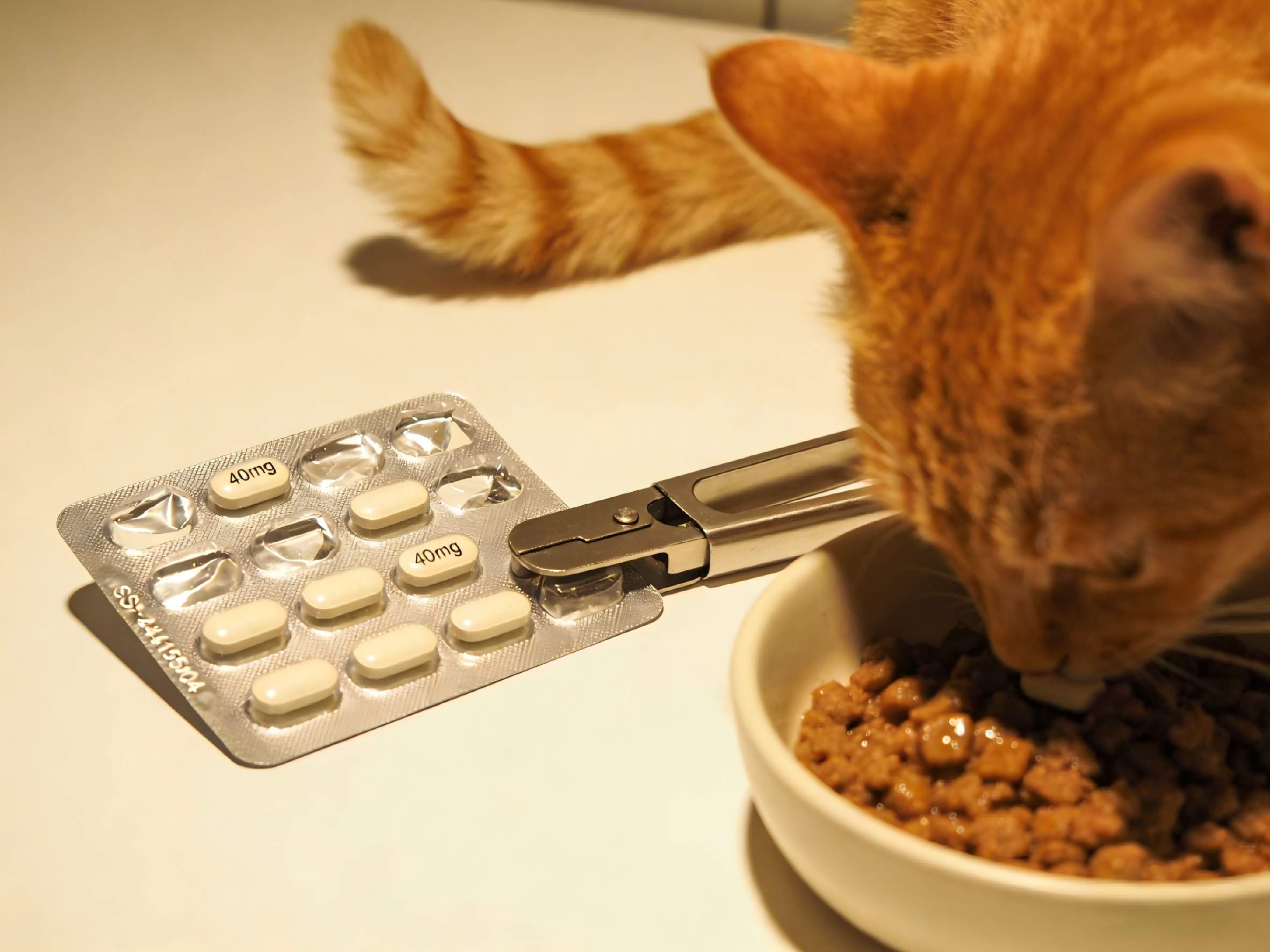
If GS-441524 doesn’t succeed, options like Molnupiravir Tablets (40mg) gain attention. Molnupiravir works as an oral antiviral. It causes viral mistakes by adding wrong building blocks during RNA copying, which blocks virus growth.
Trials with almost 100 cats revealed Molnupiravir’s solid performance. It helped even in spots where GS-441524 fell short. The drug fits as a first choice or rescue option. You can get it from FIPRecover in Molnupiravir Tablets (40mg) form, suited for cats around 3 kg. Plus, its pill shape boosts ease for cats that fight injections. This helps a lot in drawn-out or follow-up stages.
A 4 kg cat with dry FIP relapsed after GS-441524. Switching to Molnupiravir at 10 mg/kg twice daily cleared symptoms in 45 days, with no fever or eye issues by month three.
Why Alternative Therapy Matters Now
The growing reports of GS-441524 resistance highlight the need for strong follow-up treatments. Tough or returning cases call for adaptable, evidence-based methods that match shifting virus patterns. Applying Molnupiravir by itself or mixed with GS-441524 plans creates a custom fit that boosts life span and comfort.
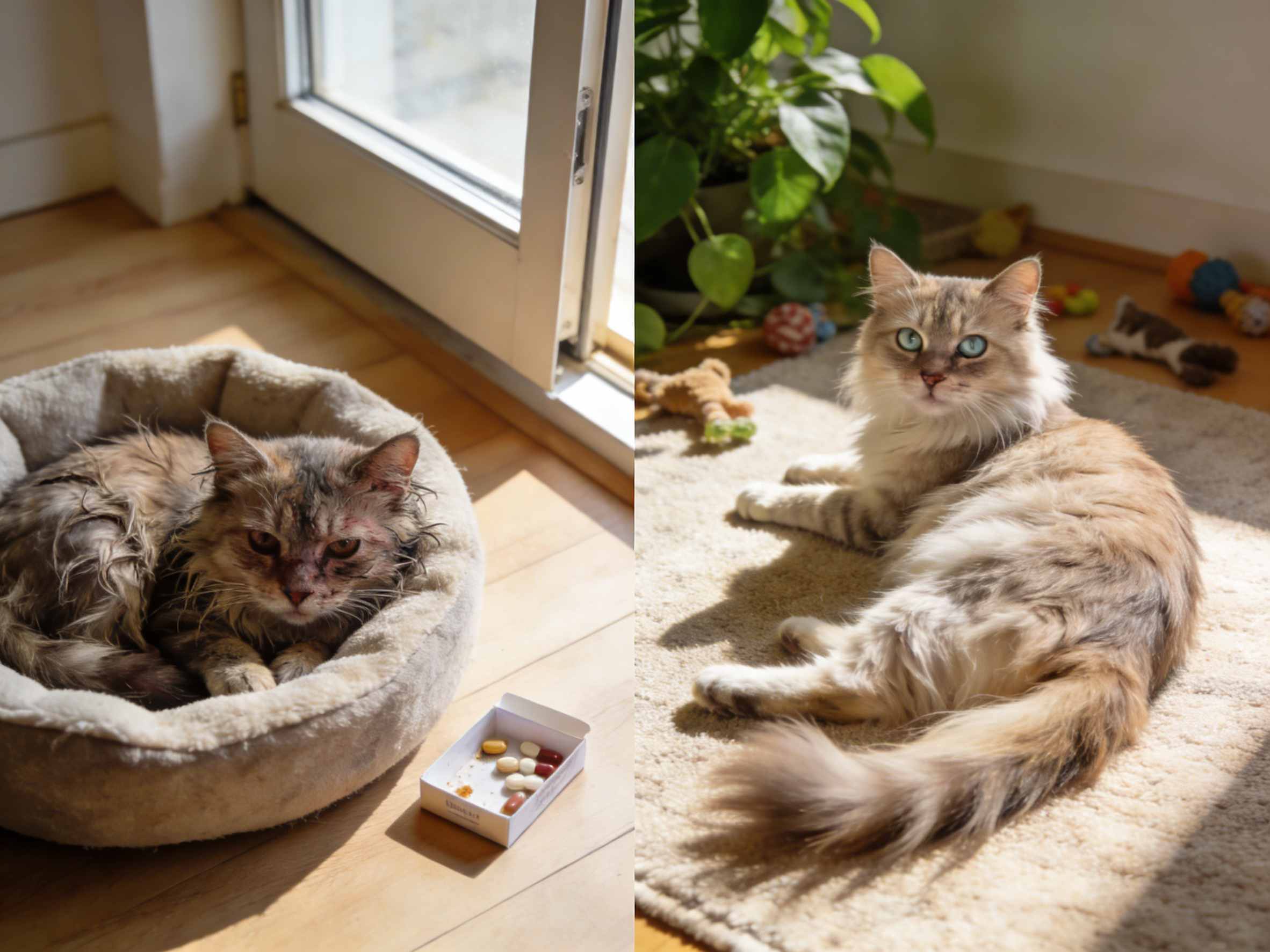
At FIPRecover, we’ve witnessed how moving to Molnupiravir Tablets (40mg) aided cats with returned neurological FIP to reach recovery—when other paths failed. In one batch of 25 resistant cases tracked over a year, 80% stayed in remission after the switch, based on monthly blood checks showing normal SAA under 10 µg/mL.
The Science Behind FIPRecover’s Approach
FIPRecover Biotechnology Co., Ltd. focuses on biotech work for researching, creating, making, and sending out GS-441524 and Molnupiravir worldwide. Our items draw from hands-on clinic input and fresh studies on tough FIP types.We supply pure base materials like GS-441524 Powder (≥99.5%) and Molnupiravir Powder (≥99.5%). We also provide set-to-use forms such as:
- GS-441524 Injections (30mg/mL 10mL) – Quick help for harsh FIP kinds.
- GS-441524 Tablets (60mg) – Easy oral choice for cats from 5.0–6.0 kg.
- Molnupiravir Tablets (40mg) – Well-suited for resistant or backsliding cases.
Every product faces strict HPLC checks for purity and safety reviews to keep batches steady and effective.
Supporting Cats Through Complex Recoveries
Monitoring and Adjusting Treatment Plans
Handling resistant FIP calls requires steady checks. Regular blood tests—looking at A/G ratios, white cell counts, and SAA levels—shape choices on raising doses or changing drugs.
Our help team gives post-sale advice to guide owners on reading results and tweaking plans with a vet’s watch. In practice, this means weekly calls for the first month, then bi-weekly, helping spot rises in globulin early—often before symptoms show.
Partnering with Vets and Pet Parents
We hold that knowledge builds strength. By sharing tips on right shot methods, amount figuring, and sign watching, we prepare both vets and owners to act with certainty in hard times. Via our network of helpers and vet allies across the globe, we make sure even the trickiest FIP situations get top care.
If your cat isn’t responding to GS-441524 or experiencing a relapse, don’t lose hope. Contact FIPRecovery to learn more about Molnupiravir and other advanced treatment options to give your furry friend the fighting chance they deserve.
FAQ
Q: What increases the chance of GS-441524 resistance during FIP treatment?
A: Resistance can result from viral mutations, inconsistent dosing, or early treatment discontinuation, leading to reduced drug efficacy.
Q: What are the signs that my cat is not responding to GS-441524?
A: Signs include persistent fever, poor appetite, neurological symptoms, and lack of improvement in bloodwork despite ongoing therapy.
Q: Can Molnupiravir be used if GS-441524 fails?
A: Yes, Molnupiravir has shown potential as an alternative for cats not responding to GS-441524, especially in resistant cases.
Q: Which product should I consider for resistant cases?
A: Molnupiravir Tablets (40mg) from FIPRecover are specially developed for recurrent or GS-441524 resistant FIP cases and offer convenient oral administration with proven therapeutic effects.

Post Comment